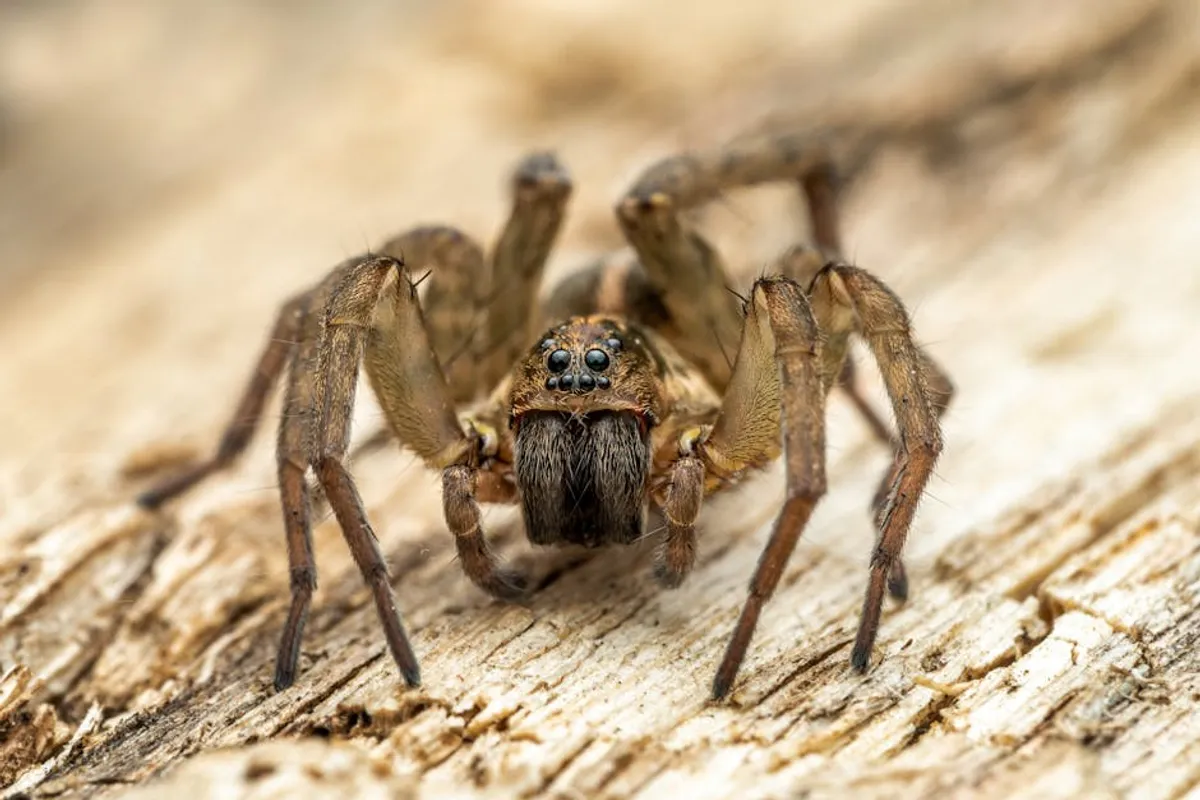
Understanding the progression of a wolf spider bite is critical for proper self-care and determining when professional medical attention becomes necessary. While wolf spider bites are generally not considered dangerous to humans, their symptoms can sometimes be confused with more serious conditions, or they can lead to secondary infections if not managed correctly. Recognizing the distinct stages from initial contact to full resolution allows for informed decisions regarding treatment and peace of mind. Recognizing the distinct stages from initial contact to full resolution allows for informed decisions regarding treatment and peace of mind, especially when you understand the warning signs of a wolf spider bite.
Identifying a Wolf Spider Bite
The immediate reaction to a wolf spider bite can vary, but certain characteristics are commonly observed. Unlike some other spider species, wolf spiders are not aggressive and typically only bite when they feel threatened or are accidentally pressed against skin. Their venom is not considered medically significant to humans, meaning it rarely causes severe systemic reactions.
Immediate Reactions and Appearance
Upon biting, a wolf spider typically leaves two small puncture marks, though these may not always be clearly visible. The area around the bite usually develops localized symptoms within minutes to a few hours:
- Pain: Often described as a sharp, stinging sensation initially, which can evolve into a dull ache.
- Redness: The skin around the bite will become visibly red.
- Swelling: Localized swelling is common, ranging from mild to moderate.
- Itching: An itchy sensation at the bite site is frequently reported.
- Warmth: The affected area may feel warm to the touch.
In some cases, a small, raised bump or a wheal (similar to a mosquito bite) may form. Rarely, a small blister might develop at the center of the bite, but this is not typical and should be monitored closely for signs of infection.
Common Misconceptions
Wolf spider bites are frequently misidentified. They do not cause necrotic lesions or significant tissue damage, distinguishing them from bites of spiders like the brown recluse. Any bite presenting with a spreading, ulcerating wound is highly unlikely to be from a wolf spider and warrants immediate medical evaluation.
The Progression of a Wolf Spider Bite
The stages of a wolf spider bite are generally mild and follow a predictable pattern of resolution, assuming no complications like secondary infection or allergic reaction.
Stage 1: Initial Bite and Localized Symptoms
This stage occurs within the first few hours after the bite. The primary symptoms are localized pain, redness, swelling, and itching at the site. The discomfort is usually manageable with over-the-counter pain relievers and topical anti-itch creams. The area remains confined, without significant spreading of redness or swelling beyond a small radius.
Stage 2: Swelling and Discomfort
Within 24 to 48 hours, the initial symptoms may peak. The swelling might become more pronounced, and the redness could intensify. Discomfort, including itching and a dull ache, typically persists. This stage is characterized by the body's inflammatory response working to neutralize the venom and begin the healing process. It's during this period that some individuals might notice a small, fluid-filled blister if one is going to form. The key indicator for a typical wolf spider bite is that these symptoms remain localized and do not worsen rapidly or spread extensively.
Stage 3: Healing and Resolution
From 2-3 days post-bite, symptoms generally begin to subside. The swelling decreases, redness fades, and pain or itching diminishes. The bite site may remain slightly discolored or itchy for several days to a week. Complete resolution, with the skin returning to its normal appearance, usually occurs within 7 to 10 days. Any residual marks or scabs will typically fall off as new skin regenerates.
When to Seek Medical Attention
While most wolf spider bites resolve without intervention, certain symptoms warrant immediate medical evaluation:
- Signs of Infection: Increasing redness, warmth, swelling, severe pain, pus drainage from the bite site, or red streaks extending from the bite.
- Systemic Symptoms: Fever, chills, headache, body aches, nausea, vomiting, or swollen lymph nodes.
- Allergic Reaction: Hives, difficulty breathing, dizziness, facial swelling, or a rapid heart rate. These are rare but require emergency care.
- Worsening Symptoms: If the bite appears to be getting significantly worse rather than better after 48 hours.
- Uncertainty: If you are unsure what bit you, or if the bite resembles a brown recluse bite (a central blister that turns into an open sore with a dark center).
Pro Tip: If the bite area is on a joint or near the eye, or if the individual bitten is a child, elderly, or has a compromised immune system, it is always prudent to consult a healthcare professional for guidance, even if symptoms appear mild.
First Aid and Home Care for Wolf Spider Bites
For typical wolf spider bites, immediate first aid can help manage symptoms and prevent complications:
- Clean the Area: Wash the bite thoroughly with soap and water to prevent infection.
- Apply Cold Compress: Use a cold pack or ice wrapped in a cloth to the bite site for 10-20 minutes at a time, several times a day, to reduce swelling and pain.
- Elevate: If the bite is on an arm or leg, elevate the limb to help reduce swelling.
- Pain Relief: Over-the-counter pain relievers like ibuprofen or acetaminophen can help manage discomfort.
- Anti-itch Cream: Hydrocortisone cream or calamine lotion can alleviate itching.
- Avoid Scratching: Scratching can break the skin, leading to secondary bacterial infections.
Differentiating from Other Bites
Distinguishing a wolf spider bite from other insect or spider bites is crucial for appropriate treatment. Wolf spider bites typically do not produce the bulls-eye rash associated with tick bites, nor the severe necrotic lesion seen with brown recluse spiders. They are generally more painful and swollen than a mosquito bite but less reactive than a bee or wasp sting (unless an allergic reaction occurs). The key is the absence of rapidly spreading tissue damage or systemic illness in typical cases.
Proactive Measures and Prevention
Preventing wolf spider bites involves reducing their presence in and around your living spaces. These spiders prefer secluded, dark places. Regularly clean and declutter basements, attics, garages, and outdoor sheds. Seal cracks and openings in your home's foundation and around windows and doors. Wear gloves when gardening or handling firewood, and shake out shoes and clothing stored in undisturbed areas before wearing them.
Practical Guidance for Bite Management
Effective management of a wolf spider bite hinges on observation and prompt action if symptoms escalate. The vast majority of bites are minor nuisances that resolve with basic first aid and time. However, vigilance for signs of infection or allergic reaction is paramount. Documenting the bite's appearance and progression with photos can be helpful if medical consultation becomes necessary. Your body's response will dictate the course of action, but understanding the typical stages empowers you to respond appropriately.
Frequently Asked Questions
Q: Are wolf spider bites dangerous?
A: Generally, wolf spider bites are not dangerous to humans. Their venom is mild and typically causes only localized symptoms like pain, redness, and swelling, which resolve within a week to ten days.
Q: What does a wolf spider bite look like initially?
A: A wolf spider bite often appears as a red, swollen bump with two small puncture marks in the center. It can be painful and itchy, similar to a bee sting or a mosquito bite.
Q: How long do wolf spider bite symptoms last?
A: Most wolf spider bite symptoms peak within 24-48 hours and then gradually subside. Full resolution, with the skin returning to normal, typically occurs within 7 to 10 days.
Q: When should I worry about a wolf spider bite?
A: Seek medical attention if you experience signs of infection (pus, spreading redness, fever), an allergic reaction (difficulty breathing, hives), or if the bite worsens significantly after 48 hours.