Encountering a spider bite can cause immediate concern, particularly when the culprit isn't clearly identified. Wolf spider bites, while often visually unsettling due to their size and appearance, rarely pose a serious health threat. Understanding the typical symptoms, appropriate first aid, and clear indicators for seeking professional medical help is crucial for managing these incidents effectively and alleviating unnecessary anxiety. This guide outlines what to expect from a wolf spider bite, how to treat it at home, and when it’s time to consult a healthcare professional.
Recognizing the Wolf Spider
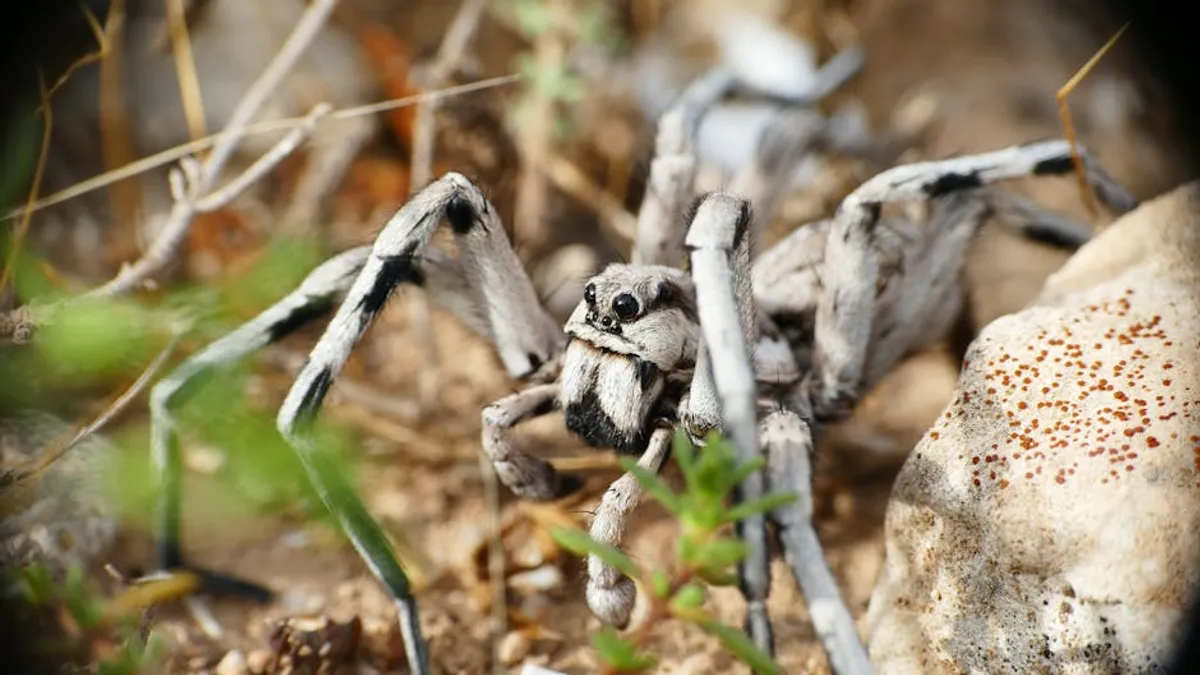
Wolf spiders (family Lycosidae) are common, ground-dwelling arachnids found across various habitats worldwide. They are not typically aggressive; bites usually occur when the spider feels threatened or is accidentally pressed against skin, such as when putting on clothing or reaching into dark spaces. These spiders are characterized by their robust, hairy bodies, typically ranging from 0.5 to 2 inches in length (excluding legs), and distinctive eye arrangement: two large eyes forward-facing, flanked by two smaller ones below, and four smaller eyes arranged in a row on top of the head. Their coloration often blends with their environment, featuring shades of brown, gray, and black.
Identifying a Wolf Spider Bite
Pinpointing a wolf spider bite specifically can be challenging, as spider bites often mimic other insect bites or skin conditions. However, understanding the typical presentation can guide your initial response.
Initial Appearance and Sensation
A wolf spider bite typically presents as a red, raised bump, often with a small, distinct puncture mark in the center. The immediate sensation is usually a sharp, localized pain, similar to a bee sting, followed by itching and mild swelling. The area might feel warm to the touch. Unlike some other spider bites, wolf spider bites generally do not cause significant tissue necrosis or large, spreading lesions.
Differentiating from Other Bites
Distinguishing a wolf spider bite from those of other insects or spiders is important. Mosquito bites are often smaller and intensely itchy without a clear central puncture. Flea bites appear as small, red, itchy bumps, often in clusters. Brown recluse spider bites, though rare, can develop into a necrotic ulcer, which is not characteristic of a wolf spider bite. Black widow spider bites are typically more painful, can cause systemic symptoms, and often leave two distinct fang marks. If you did not witness the bite, identifying the specific spider is often impossible, making symptom management the primary focus.
Common Symptoms of a Wolf Spider Bite
The symptoms of a wolf spider bite are generally localized and mild, resolving within a few days. The severity can vary based on individual sensitivity and the amount of venom injected.
- Localized Pain: A sharp, immediate pain at the bite site, often subsiding to a dull ache.
- Redness: The area around the bite will become red, usually within minutes to hours.
- Swelling: Mild to moderate swelling centered around the bite, typically not extending far beyond the immediate area.
- Itching: Persistent itching that can last for several days.
- Warmth: The affected skin may feel warmer than surrounding tissue.
- Minor Blistering: In some cases, a small blister may form at the bite site. This is less common but can occur.
Systemic reactions, such as nausea, dizziness, or headache, are exceedingly rare with wolf spider bites and are more often associated with anxiety or an allergic reaction rather than the venom itself. If these symptoms occur, it warrants further medical evaluation.
First Aid and Home Treatment
For most wolf spider bites, home care is sufficient to manage symptoms and promote healing.
Immediate Steps:
- Clean the Bite Area: Wash the bite thoroughly with soap and water to prevent secondary infection.
- Apply a Cold Compress: Use a cloth-wrapped ice pack or cold compress on the bite for 10-20 minutes at a time, several times a day. This helps reduce swelling and pain.
- Elevate the Affected Limb: If the bite is on an arm or leg, elevating it can help reduce swelling.
- Over-the-Counter Pain Relief: Non-prescription pain relievers like ibuprofen or acetaminophen can help manage pain and discomfort.
- Antihistamines: Oral antihistamines (e.g., diphenhydramine) can alleviate itching and mild allergic reactions. Topical corticosteroid creams can also reduce itching and inflammation.
Monitor the bite area closely for any changes. Most bites begin to improve within 24-48 hours and resolve completely within a week.
Warning: Never attempt to cut or suck venom from a spider bite. This can introduce bacteria, increase the risk of infection, and cause further tissue damage without removing significant venom.
When to Seek Medical Attention
While most wolf spider bites are not dangerous, certain signs and symptoms indicate the need for professional medical evaluation.
Consult a doctor if you experience any of the following:
- Worsening Symptoms: If redness or swelling spreads significantly, pain intensifies, or the bite area becomes increasingly warm and tender after initial treatment.
- Signs of Infection: Pus or drainage from the bite, streaks of redness extending from the bite, or fever and chills, which can indicate a bacterial infection.
- Systemic Reactions: Though rare for wolf spiders, seek immediate care if you develop symptoms like difficulty breathing, chest pain, severe headache, muscle cramps, body aches, dizziness, or nausea. These could indicate a severe allergic reaction or a bite from a more venomous spider.
- Bite on a Child or Immunocompromised Individual: Children, the elderly, or those with compromised immune systems may have a more pronounced reaction or be at higher risk for complications.
- Bite on a Sensitive Area: Bites on the face, neck, or genitals warrant medical attention due to potential swelling and functional impairment.
- Lack of Improvement: If symptoms do not begin to improve within a few days or worsen over time despite home treatment.
If possible, safely capture the spider (or take a clear photograph) for identification, though this is not always feasible or necessary.
Preventing Wolf Spider Bites
Reducing encounters with wolf spiders can minimize the risk of bites.
Practical Prevention:
- Seal Entry Points: Seal cracks and openings in foundations, walls, and around pipes to prevent spiders from entering your home.
- Reduce Clutter: Keep basements, attics, and storage areas tidy, as spiders prefer dark, undisturbed spaces.
- Shake Out Items: Before putting on clothes, shoes, or gloves that have been stored, shake them out to dislodge any lurking spiders.
- Wear Protective Gear: When gardening or working in areas where spiders might be present, wear long sleeves, gloves, and closed-toe shoes.
- Outdoor Lighting: Minimize outdoor lighting near windows and doors, as it can attract insects, which in turn attract spiders.
Managing a Spider Bite Incident
When a spider bite occurs, the most effective approach combines immediate, appropriate first aid with vigilant monitoring. Remain calm, as anxiety can heighten perceived symptoms. Document the appearance of the bite with photographs, especially if you are concerned about its progression. This visual record can be invaluable if you need to consult a healthcare provider. Focus on cleanliness, cold application, and symptom relief. Should any concerning signs develop, do not hesitate to seek professional medical advice. Swift action and informed decisions are key to ensuring a quick and complete recovery from a wolf spider bite.
Frequently Asked Questions
Are wolf spider bites dangerous?
Wolf spider bites are generally not considered dangerous. Their venom is mild and typically causes only localized pain, redness, and swelling. Serious complications or systemic reactions are rare.
How long do wolf spider bite symptoms last?
Symptoms from a wolf spider bite usually resolve within a few days to a week. Pain and swelling often subside within 24-48 hours, while itching may persist for a longer period.
Can a wolf spider bite become infected?
Yes, a wolf spider bite can become infected, usually due to scratching the bite site or improper wound care. Signs of infection include increased redness, warmth, swelling, pus, or fever. If you suspect an infection, seek medical attention.
What does a wolf spider bite look like as it heals?
As a wolf spider bite heals, the redness and swelling will gradually decrease. Any small blister may dry out and scab over. The area might remain slightly discolored or itchy for a few more days before returning to normal skin appearance.