
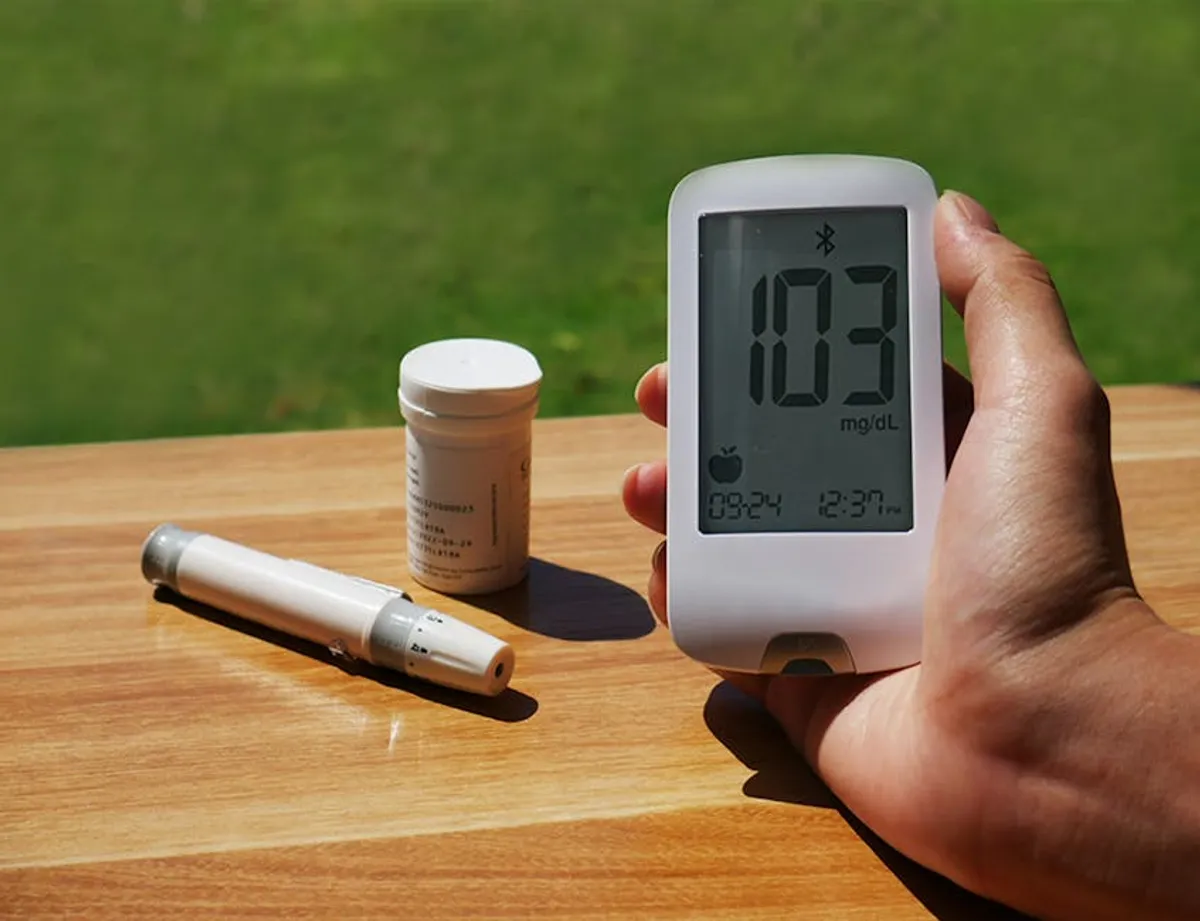
Sosugary presents itself as a content entity operating within the health and wellness sphere, a highly competitive and sensitive search vertical. Analyzing its search presence involves understanding how it addresses user health queries, the types of claims it makes or discusses, and its approach to offering what the title suggests are "safer research tips." For publishers and marketers in health, understanding Sosugary's content strategy and search visibility patterns can illuminate effective approaches to building authority and trust in a domain where E-A-T (Expertise, Authoritativeness, Trustworthiness) signals are paramount.
What Sosugary Appears to Cover
Sosugary's content strategy appears to center on various aspects of health, nutrition, and wellness. Based on its implied focus, the site likely publishes articles covering dietary advice, ingredient breakdowns, specific health conditions, and lifestyle modifications. This includes discussions around popular diets, the efficacy of certain supplements, and explanations of complex biological processes in accessible language. A significant portion of its content may also be dedicated to evaluating common health claims, distinguishing scientific evidence from anecdotal information, and providing context for health trends. The "Safer Research Tips" component suggests a commitment to guiding readers through the often-confusing landscape of health information, potentially through articles on how to interpret scientific studies, identify credible sources, or understand product labeling.
Content categories likely include detailed guides on specific nutrients, articles debunking health myths, comparisons of different wellness philosophies, and practical advice for incorporating healthier habits. The site might also feature content that addresses reader concerns about health fads, providing a balanced perspective on their potential benefits and risks. This positions Sosugary as a resource for those seeking clarity and evidence-based insights rather than quick fixes or unsubstantiated claims.
Where Its Search Traffic May Come From
Sosugary's organic search traffic likely originates from a mix of informational and investigational queries. Users searching for specific health conditions, dietary recommendations, or explanations of scientific terms would find Sosugary relevant. Long-tail keywords related to symptom-checking, ingredient benefits, or "how-to" guides for health practices are probable traffic drivers. For instance, queries like "benefits of [specific vitamin]," "how to improve [health condition] naturally," or "is [popular diet] effective" would align with its content focus. The "claims" aspect suggests traffic from users investigating the validity of specific health statements, e.g., "does [ingredient] cure [ailment]?" or "truth about [health trend]."
Traffic could also stem from users seeking "safer research tips" themselves, indicating an audience segment interested in media literacy within the health domain. This might include searches for "how to evaluate health studies," "identifying reliable health websites," or "understanding nutrition labels." Sosugary's ability to rank for these types of queries would depend on its perceived authority and the depth of its content on these critical topics.
Search Intent Behind Sosugary
The primary search intent targeted by Sosugary appears to be informational. Readers are likely seeking answers to health-related questions, explanations of complex topics, and guidance on making informed health decisions. This includes users with specific health concerns looking for reliable information, individuals researching dietary changes, and those attempting to verify health claims encountered elsewhere. A secondary intent could be investigational, where users are actively scrutinizing health advice or products and seeking a balanced, evidence-based perspective. The "Safer Research Tips" element specifically caters to this critical, discerning audience segment.
Sosugary's content strategy aims to satisfy these intents by providing detailed, well-researched articles that go beyond surface-level information. The site's success in capturing this intent hinges on its ability to present information clearly, cite credible sources, and establish itself as a trustworthy voice in a crowded digital health landscape. The editorial voice would ideally be authoritative yet approachable, fostering a sense of reliability and expertise.
Why Traffic May Rise or Fall
Sosugary's search traffic trajectory is influenced by several factors. A rise in traffic could be attributed to consistent publication of high-quality, evidence-based content that directly addresses user queries, particularly those with high E-A-T requirements. Strong internal linking, effective topic clustering, and positive user engagement signals (such as time on page and low bounce rate) can also contribute to improved visibility. Adapting content to reflect new scientific discoveries or evolving health trends while maintaining accuracy is crucial. Conversely, traffic could fall due to algorithm updates that deprioritize sites lacking clear authoritativeness or trustworthiness signals, particularly in the health niche. Content that becomes outdated, fails to cite credible sources, or makes unsubstantiated claims could see reduced visibility. Increased competition from established health authorities or new, well-resourced publishers also poses a risk, as does a failure to adapt to changes in user search behavior or content consumption preferences.
How the Site Could Improve Organic Visibility
To enhance organic visibility, Sosugary could focus on several strategic areas. First, a comprehensive content audit to identify gaps in topic coverage and opportunities for deeper dives into existing subjects would be beneficial. Creating robust topic clusters around core health themes, supported by pillar pages and numerous subsidiary articles, can signal expertise to search engines. Implementing structured data markup (e.g., Schema.org for health articles, medical conditions, or Q&A pages) can improve how content is understood and presented in search results. Strengthening E-A-T signals through transparent author bios, editorial guidelines, and clear referencing of scientific sources is critical for health content. This includes prominently displaying credentials of content creators and reviewers. Furthermore, optimizing for 'People Also Ask' sections and featured snippets by directly answering common health questions concisely can capture valuable top-of-SERP real estate. Regular content refreshes to ensure accuracy and currency, especially for time-sensitive health information, also supports sustained visibility.
What to Check Before Trusting Traffic Estimates
When evaluating Sosugary's search performance, it is essential to approach third-party traffic estimates with caution. Publicly available tools rely on various data points, including keyword rankings and estimated click-through rates, which are inherently approximations. These estimates often do not account for direct traffic, referral traffic from social media or other sites, or brand-specific searches that may not be captured by general keyword analysis. Furthermore, they rarely distinguish between different types of content performance (e.g., evergreen guides versus trending news). The most accurate picture of a site's traffic and user behavior comes directly from its internal analytics platforms, which track actual user visits, engagement metrics, and conversion paths. Without access to these proprietary data sources, any external traffic figures should be considered directional indicators rather than precise measurements of a site's full reach or commercial impact.
Is Sosugary a reliable source for health information?
The reliability of Sosugary, like any health content publisher, depends on its editorial standards, the credentials of its authors, and its commitment to citing evidence-based research. Users seeking health information should always cross-reference information with multiple reputable sources.
What kind of health claims does Sosugary address?
Sosugary likely addresses a range of health claims, from common dietary myths and supplement efficacy to broader wellness trends. Its content would ideally aim to provide context, scientific backing, or debunking based on current research.
How does Sosugary help users with "safer research tips"?
Sosugary's "safer research tips" likely involve educating users on how to critically evaluate health information, identify credible sources, understand scientific studies, and recognize potential biases or sensationalism in health reporting.
Who is the target audience for Sosugary's content?
Sosugary's target audience appears to be individuals actively seeking to understand health topics, verify claims, and make informed decisions about their well-being. This includes those interested in nutrition, lifestyle, and evidence-based wellness practices.



