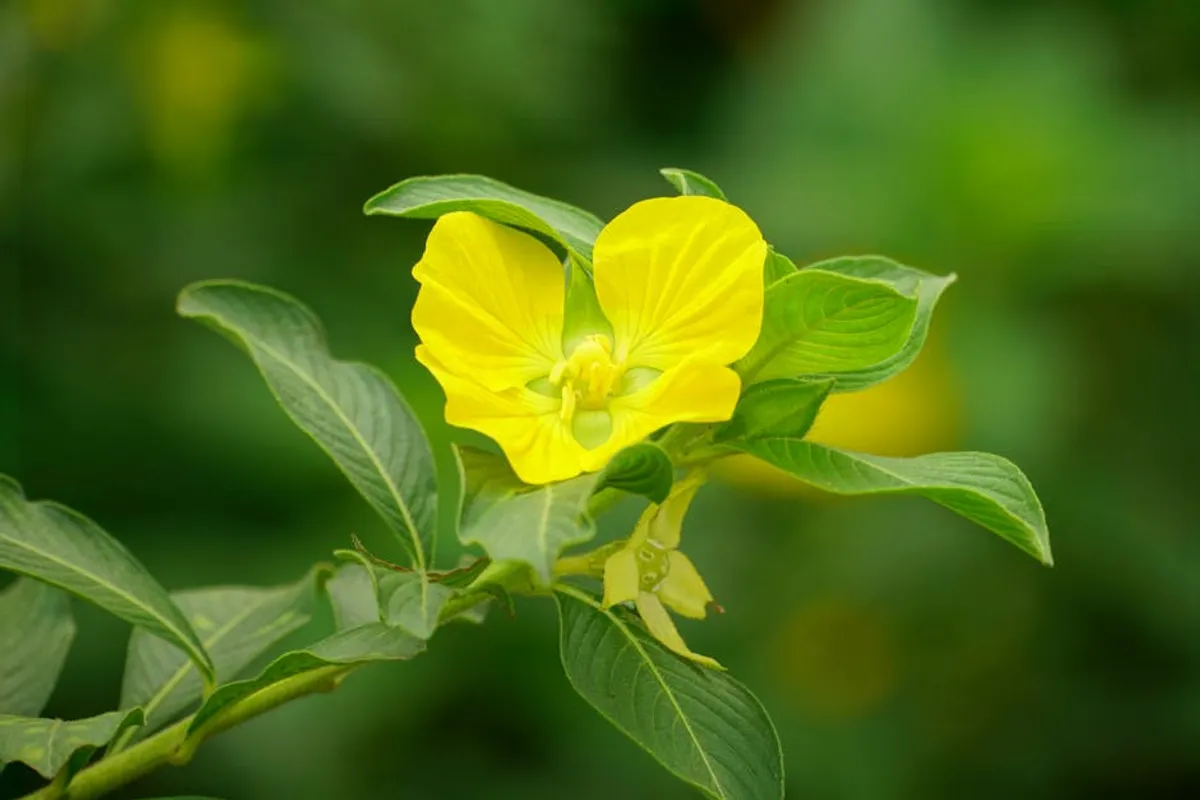
Punarnava, a botanical deeply rooted in traditional medicine systems, particularly Ayurveda, has garnered sustained interest for its historical applications and the literal meaning of its name: "that which renews or rejuvenates the body." For centuries, practitioners have valued this plant for its purported ability to support various bodily functions. This guide provides a comprehensive overview of Punarnava, detailing its botanical characteristics, established traditional uses, and the trajectory of modern research exploring its compounds and mechanisms. Understanding these facets is critical for anyone evaluating Punarnava's role in health and wellness contexts, offering a foundation for informed decisions regarding its potential integration.
Understanding Punarnava: Botanical Profile and Traditional Context
Punarnava refers primarily to the plant species Boerhavia diffusa, a perennial herbaceous plant common in tropical and subtropical regions. It is often found growing wild, recognized by its heart-shaped leaves and small, reddish-pink flowers. The plant's adaptability and widespread availability have contributed to its consistent use across various traditional practices.
Botanical Identification and Varieties
While Boerhavia diffusa is the most commonly referenced species for Punarnava, sometimes referred to as 'Rakta Punarnava' due to its reddish stems, other species like Boerhavia erecta (often called 'Shweta Punarnava' for its whitish stems) are also recognized in some botanical classifications. However, the traditional and most extensively studied applications typically pertain to Boerhavia diffusa. Its roots, leaves, and stems are all utilized, with the root being particularly valued.
Etymological Meaning and Cultural Significance
The name "Punarnava" is derived from Sanskrit, where "Punar" means "again" and "Nava" means "new," translating to "that which renews" or "brings back to life." This nomenclature reflects its traditional reputation as a rejuvenative herb, often associated with promoting vitality and supporting the body's natural regenerative processes. In Ayurvedic texts, Punarnava is classified as a 'Rasayana,' a category of herbs known for their anti-aging and revitalizing properties, underscoring its significant cultural and medicinal standing.
Key Traditional Uses and Applications
Historically, Punarnava has been a cornerstone in herbal formulations targeting specific physiological systems. Its traditional applications stem from observations of its effects on fluid balance, metabolic processes, and inflammatory responses.
Diuretic and Renal Support
One of Punarnava's most prominent traditional uses is as a diuretic. It has been employed to manage conditions associated with excess fluid retention and to support the healthy functioning of the urinary system. Practitioners have historically recommended it for promoting urine flow and aiding in the maintenance of kidney health. This property is particularly noted in classical texts, highlighting its role in balancing bodily fluids.
Liver Health and Detoxification
Punarnava is also traditionally valued for its hepatoprotective qualities, meaning it is believed to support liver function. In Ayurvedic practice, it has been used to assist the liver in its detoxification processes and to maintain overall liver health. This application is often linked to the plant's potential to influence metabolic pathways and aid in the elimination of waste products from the body.
Anti-inflammatory and Antioxidant Properties
Beyond its organ-specific applications, Punarnava has been traditionally recognized for its broader anti-inflammatory and antioxidant effects. These properties are considered fundamental to its 'rejuvenating' designation, as they contribute to cellular protection and the body's ability to respond to oxidative stress. Its use in formulations for joint comfort and general wellness often draws upon these perceived benefits.
Modern Perspectives and Research Updates
Contemporary scientific inquiry has begun to investigate the traditional claims surrounding Punarnava, seeking to identify its active compounds and elucidate their mechanisms of action. This research aims to bridge the gap between historical wisdom and evidence-based understanding.
Phytochemical Composition
Research into Punarnava's chemical makeup has identified several classes of bioactive compounds. Key among these are alkaloids (such as punarnavine), flavonoids, steroids, triterpenoids, lignans, and various phenolic compounds. These constituents are believed to collectively contribute to the plant's diverse pharmacological activities. For instance, punarnavine is often highlighted for its potential diuretic and anti-inflammatory effects.
Current Research Directions
Modern studies are exploring Punarnava's potential in several areas, often validating or expanding upon traditional uses. Research interests include its nephroprotective (kidney-protective) and hepatoprotective (liver-protective) effects, its anti-inflammatory and antioxidant capabilities, and its potential role in metabolic regulation. Exploratory studies also investigate its antimicrobial, anti-diabetic, and even anti-cancer properties in various models. These investigations provide a scientific lens through which to understand the plant's complex biological interactions.
Pro Tip: When considering any botanical supplement, including Punarnava, prioritize products from suppliers who provide transparent information regarding their sourcing, extraction methods, and third-party testing for purity and potency. This due diligence helps ensure the product's quality and reduces the risk of contamination or misidentification, which is crucial for safety and efficacy.
Forms, Dosages, and Considerations
Punarnava is available in several forms, catering to different preferences and traditional applications. The choice of form often depends on the intended use and the specific preparation method.
Available Forms
- Powder (Churna): Dried and ground roots or whole plant material, often mixed with water, honey, or other carriers.
- Capsules/Tablets: Standardized extracts or powdered herb encapsulated for convenience and precise dosing.
- Liquid Extracts/Tinctures: Concentrated forms where the active compounds are extracted into a liquid medium, allowing for easier absorption.
- Fresh Juice: Traditionally, the fresh juice of the leaves is also consumed.
General Usage Guidelines
Dosage and preparation methods for Punarnava vary significantly based on the form, concentration, individual health status, and specific traditional recommendations. It is crucial to consult with a qualified healthcare professional or an Ayurvedic practitioner before incorporating Punarnava into any regimen. They can provide personalized guidance, considering potential interactions with other medications and individual health conditions.
Navigating Sourcing and Quality
The efficacy and safety of Punarnava preparations are directly linked to the quality of the raw material and the manufacturing process. Consumers and practitioners should prioritize sourcing from reputable suppliers who adhere to stringent quality control standards.
Key considerations for sourcing:
- Origin and Cultivation: Understand where the plant is grown and if sustainable, ethical cultivation practices are followed.
- Processing Standards: Inquire about drying, grinding, and extraction methods to ensure they preserve the plant's integrity and active compounds.
- Third-Party Testing: Look for products that have undergone independent laboratory testing for purity, potency, and absence of contaminants like heavy metals, pesticides, and microbial growth.
Practical Considerations for Incorporating Punarnava
Punarnava's long history in traditional medicine, coupled with emerging scientific interest, positions it as a botanical with notable potential. Its traditional role in supporting renal, hepatic, and overall systemic health provides a framework for understanding its value. While traditional uses offer a rich context, modern research is steadily contributing to a more detailed understanding of its active compounds and mechanisms. For those considering its use, an informed approach involves recognizing both its historical significance and the ongoing scientific exploration. Always prioritize professional consultation to ensure its appropriate and safe integration into any wellness plan, respecting individual health profiles and current medical advice.
Frequently Asked Questions
What is Punarnava primarily used for in traditional medicine?
In traditional medicine, Punarnava is primarily used as a diuretic to support kidney and urinary tract health, to aid liver function and detoxification, and for its general anti-inflammatory and rejuvenating properties.
Are there different types of Punarnava?
While Boerhavia diffusa is the most common and studied species referred to as Punarnava (Rakta Punarnava), other species like Boerhavia erecta (Shweta Punarnava) are also sometimes referenced, though their traditional applications may vary.
How should Punarnava be consumed?
Punarnava can be consumed in various forms, including powdered herb, capsules, tablets, or liquid extracts. The specific method and dosage depend on the form and traditional recommendation, making professional guidance essential.
Is Punarnava safe for everyone?
While generally considered safe in traditional use, Punarnava may not be suitable for everyone. Individuals with pre-existing medical conditions, those on medication, or pregnant/nursing individuals should consult a healthcare professional before use to avoid potential interactions or adverse effects.