Navigating dietary choices during pregnancy requires precise information, especially concerning foods like processed meats. The concern centers on specific health risks that can impact both maternal well-being and fetal development. Understanding these risks, from bacterial contamination to chemical additives, allows for informed decisions that prioritize safety and nutritional integrity.
Primary Health Concerns with Processed Meats
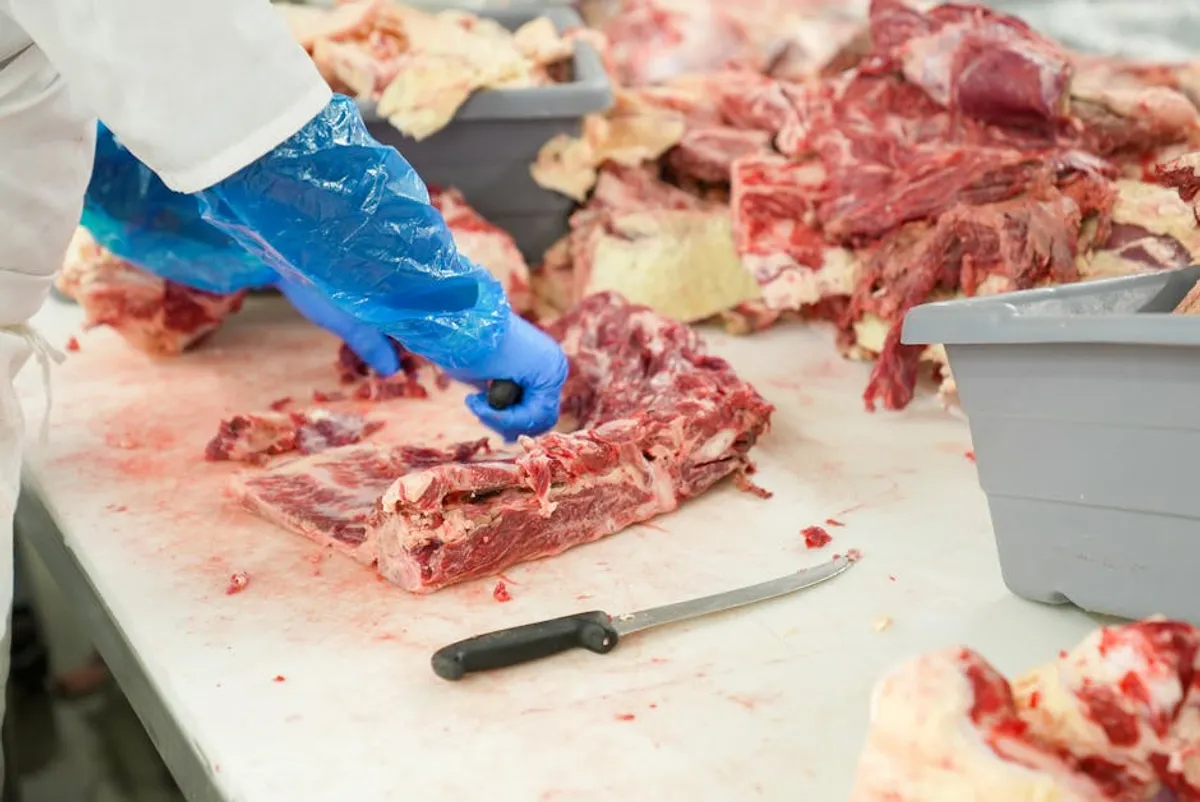
Processed meats, defined broadly as any meat altered from its fresh state through salting, curing, fermenting, smoking, or other processes to enhance flavor or improve preservation, introduce several distinct health considerations for pregnant individuals. These concerns extend beyond general nutritional advice and touch upon specific food safety and additive-related issues.
- Listeria Monocytogenes Risk: Cold processed meats, such as deli slices, hot dogs, and some sausages, can harbor Listeria monocytogenes bacteria. Unlike many other foodborne pathogens, Listeria can grow at refrigeration temperatures. For pregnant individuals, listeriosis (infection from Listeria) carries severe risks, including miscarriage, stillbirth, premature delivery, and life-threatening infections in newborns. The immune system changes during pregnancy make individuals more susceptible to this infection.
- High Sodium Content: Most processed meats are heavily salted as part of their preservation and flavoring. Elevated sodium intake during pregnancy can contribute to gestational hypertension (high blood pressure), which increases the risk of preeclampsia. Preeclampsia can lead to serious complications for both the pregnant individual and the fetus, including preterm birth and restricted fetal growth.
- Nitrates and Nitrites: These compounds are commonly used in curing processed meats like bacon, ham, and sausages. While they prevent bacterial growth and contribute to color and flavor, concerns exist regarding their conversion into N-nitroso compounds (NOCs) in the body. NOCs are potential carcinogens. Research on their direct impact during pregnancy is ongoing, but some studies suggest links to increased risks of certain birth defects or complications, necessitating a cautious approach.
- High Saturated and Trans Fats: Many processed meats are high in unhealthy fats. Excessive intake of saturated and trans fats can contribute to unhealthy weight gain during pregnancy and increase the risk of gestational diabetes and cardiovascular issues. These fats also offer minimal nutritional benefit compared to lean protein sources.
- Artificial Additives and Preservatives: Beyond nitrates, processed meats often contain a range of artificial colors, flavors, and preservatives. The long-term effects of some of these additives on fetal development are not fully understood, leading to recommendations for minimizing exposure during pregnancy.
Specific Processed Meat Categories and Their Implications
The risks associated with processed meats vary slightly depending on the type and preparation. Understanding these nuances helps in making specific dietary adjustments.
Deli Meats and Cold Cuts
Primary Concern: Listeria contamination. These meats are typically consumed without reheating, directly from the package, which bypasses the heat-killing step for bacteria.
Additional Concerns: High sodium and nitrate content are also prevalent in most deli products.
Hot Dogs and Sausages
Primary Concern: Listeria if not cooked thoroughly. While often cooked, inadequate heating can leave pockets where bacteria survive.
Additional Concerns: High levels of saturated fat, sodium, and nitrates are common. Many varieties also contain artificial ingredients.
Bacon and Cured Ham
Primary Concern: Nitrates and nitrites. These are essential for the curing process that defines these meats.
Additional Concerns: Extremely high in sodium and saturated fat. Bacon, in particular, is often consumed crisp, leading to higher levels of advanced glycation end products (AGEs) when cooked at high temperatures.
Canned Meats and Jerky
Primary Concern: High sodium content for preservation.
Additional Concerns: Jerky often contains high levels of sugar and preservatives. Canned meats, while shelf-stable, can have variable nutritional quality and may contain BPA from can linings, though this is a broader food packaging concern.
Proactive Precaution: To mitigate the risk of Listeria from deli meats, hot dogs, and sausages, always heat them to an internal temperature of 165°F (74°C) or until steaming hot immediately before consumption. This temperature effectively destroys the bacteria. Relying on visual cues alone is insufficient; use a food thermometer for accuracy.
Nutritional Alternatives and Safer Choices
Given the concerns, focusing on fresh, unprocessed protein sources is a safer and nutritionally superior approach during pregnancy. These alternatives provide essential nutrients without the associated risks of processed meats.
Recommended Alternatives:
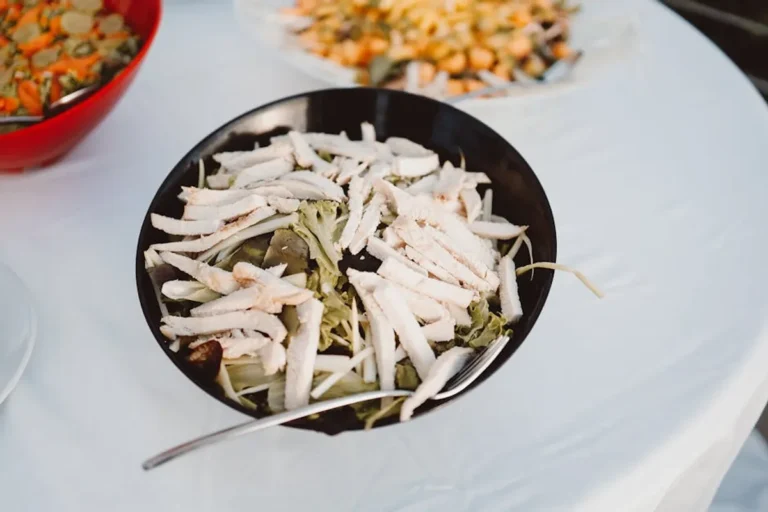
- Lean Poultry: Chicken or turkey breast, cooked thoroughly, offers high-quality protein with less saturated fat and no added nitrates.
- Fish: Low-mercury options like salmon, cod, and sardines provide omega-3 fatty acids vital for fetal brain development, along with protein. Ensure fish is fully cooked.
- Legumes: Beans, lentils, and chickpeas are excellent plant-based sources of protein, fiber, and iron.
- Eggs: A complete protein source, versatile and nutrient-dense. Always cook eggs until yolks and whites are firm to avoid salmonella.
- Fresh, Unprocessed Red Meat: Lean cuts of beef or lamb, cooked to safe temperatures, provide iron and protein without the processing additives.
When selecting processed meats for specific occasions, opt for brands that explicitly state "nitrate-free" or "uncured," though these often use natural sources of nitrates (like celery powder), which still convert to nitrites in the body. The key remains moderation and thorough cooking.
Informed Choices for Maternal and Fetal Health
The decision to consume processed meats during pregnancy should stem from an understanding of the specific risks involved. While complete avoidance offers the highest degree of caution, adhering to strict food safety practices for items like deli meats (heating to steaming hot) can reduce bacterial risks. Prioritizing a diet rich in fresh, whole foods provides the broadest nutritional benefits and minimizes exposure to potentially harmful additives and excessive sodium. Consult with a healthcare provider or registered dietitian for personalized dietary guidance tailored to individual health needs and risk factors.
Frequently Asked Questions
Can I eat any processed meat during pregnancy?
Yes, but with significant precautions. Cold cuts, hot dogs, and sausages must be heated to 165°F (74°C) until steaming hot to kill Listeria. Other processed meats like bacon should be consumed sparingly due to high sodium, fat, and nitrate content.
Are "nitrate-free" processed meats safe during pregnancy?
While "nitrate-free" products avoid synthetic nitrates, they often use natural sources like celery powder, which still convert to nitrites in the body. This means the potential concerns related to nitrites remain, though perhaps at different levels. Focus on thorough cooking and moderation.
What are the main risks of eating processed meat while pregnant?
The primary risks include Listeria infection from cold, uncooked processed meats, high sodium intake contributing to gestational hypertension, and exposure to nitrates/nitrites, which are potential carcinogens and may have other adverse effects.
What are good protein alternatives to processed meats for pregnant individuals?
Excellent alternatives include thoroughly cooked lean poultry, low-mercury fish, eggs (cooked firm), legumes (beans, lentils), and fresh, lean cuts of red meat, all prepared to safe internal temperatures.