Pilsner beer, a pale lager style originating from Plzeň, Bohemia, in 1842, established the benchmark for clear, golden lagers globally. Its widespread adoption by breweries and consistent consumer demand make it a staple on menus from dive bars to high-end restaurants. Understanding the nuances of Pilsner offerings – from its distinct characteristics to typical pricing and availability – enables more informed selection, whether for casual enjoyment or specific food pairing.
Understanding the Pilsner Style
The Pilsner style is defined by its bright, clear appearance, often golden to straw-colored, with a persistent white head. Its aroma typically presents a balance of bready or biscuity malt notes alongside spicy, floral, or herbal hop character, primarily from noble hops like Saaz. On the palate, a classic Pilsner delivers a crisp, clean finish with a moderate bitterness that cleanses the palate, making it exceptionally refreshing. Alcohol content generally ranges from 4.2% to 5.8% ABV, contributing to its sessionable nature.
Key Pilsner Sub-Styles and Their Distinctions
- Czech/Bohemian Pilsner: The original. Characterized by a richer, more complex malt profile often with diacetyl (butterscotch) notes, a softer water profile, and prominent, spicy Saaz hop aroma and bitterness. Examples often feature a deeper golden hue.
- German Pilsner: A drier, crisper interpretation. German Pilsners typically use different noble hops (e.g., Hallertauer, Tettnanger, Spalt) leading to a more pronounced bitterness and a drier finish. The malt character is cleaner, less sweet, and the body is often lighter than its Bohemian counterpart.
- American Craft Pilsner: Modern American brewers often interpret Pilsner with a focus on extreme crispness, sometimes incorporating American hop varieties for a slightly more citrusy or grassy edge while retaining the classic clean lager profile. These can range from traditional interpretations to more experimental versions.
Navigating Pilsner Offerings on a Menu
When reviewing a beer menu, identifying a Pilsner involves more than just looking for the name. Breweries often label their offerings with style descriptors that indicate their allegiance to a particular sub-style or a modern twist. Pay attention to the brewery's description for clues about hop varieties, malt bill, and origin-inspired brewing techniques. A menu might list a "Bohemian-style Pilsner" or a "German-style Pils," providing direct guidance. Commercial establishments typically offer Pilsners in various formats:
Common formats:
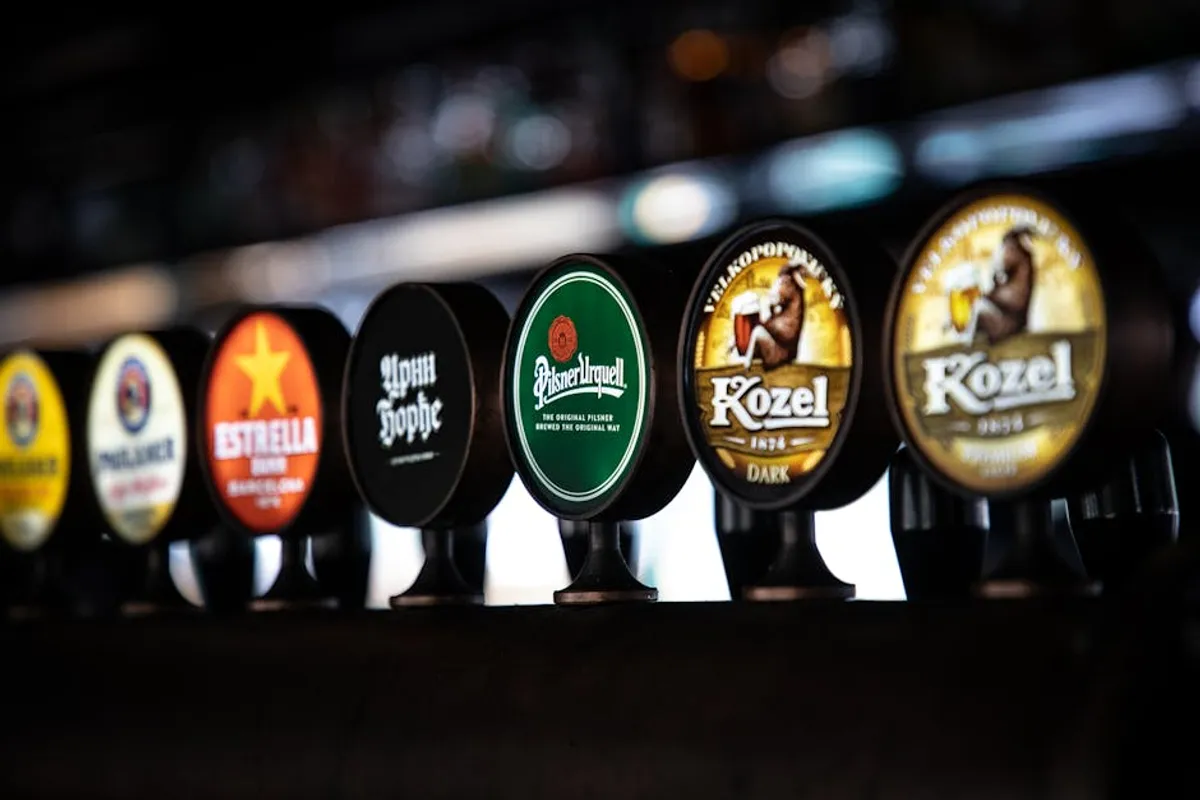
- Draft (Tap): Often the freshest option, served in appropriate glassware (e.g., a Pilsner glass) to showcase its clarity and head retention.
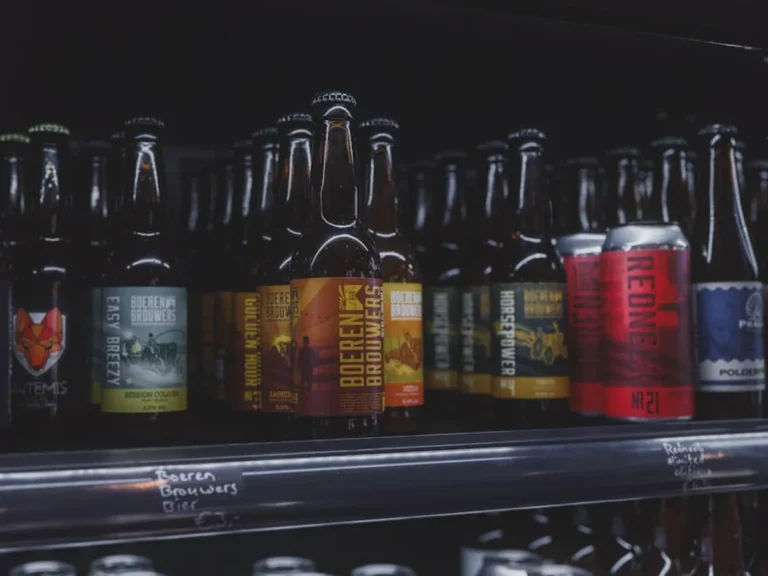
- Bottles/Cans: Widely available for retail purchase and often offered in bars. Look for production dates to ensure freshness, as hop character diminishes over time.
- Flights: Some establishments offer flights that include different Pilsner styles, allowing for comparative tasting.
Food Pairing Considerations: Pilsners are highly versatile with food. Their crispness and moderate bitterness cut through rich foods, while their clean profile complements lighter fare. They pair exceptionally well with fried foods, grilled chicken, salads, mild cheeses, and spicy Asian or Mexican dishes. The carbonation acts as a palate cleanser, refreshing the taste buds between bites.
Pilsner Pricing: What to Expect
The price of Pilsner beer varies significantly based on several factors, including its origin, the brewery's scale, the venue type, and the serving size. Understanding these variables helps in assessing value.
Factors influencing price:
- Craft vs. Macro: Mass-produced Pilsners from large breweries are generally more affordable due to economies of scale. Craft Pilsners, often made with premium ingredients and smaller batch sizes, command higher prices.
- Import vs. Domestic: Imported Czech or German Pilsners typically incur higher costs due to shipping, tariffs, and distribution networks. Domestic craft interpretations are often more competitively priced.
- Venue Type: Prices will differ between a retail store, a casual pub, a high-end restaurant, or a brewery taproom. Restaurant markups are generally higher due to service and ambiance.
- Serving Size: A standard pint (16 oz / 473 ml) will be priced differently than a half-pint, a bottle, or a 4-pack of cans.
Typical price ranges:
- Retail (4-pack/6-pack): Expect to pay $8-$12 for macro-brewed Pilsners and $12-$20+ for craft or imported varieties.
- Draft (Pint): A pint at a bar might range from $5-$8 for domestic options to $8-$12+ for premium craft or imported selections.
- Restaurant (Bottle/Can): Expect a markup, with bottles/cans ranging from $7-$15+.
Pro Tip: Freshness is paramount for Pilsners, especially those with prominent hop character. Always check for a "bottled on" or "canned on" date when purchasing packaged Pilsners. Opt for the freshest available to experience the beer as the brewer intended, particularly for hop-forward styles.
Finding Your Ideal Pilsner: Availability and Timing
Pilsners are year-round beers, but specific craft or seasonal releases may have limited availability. Many breweries release special "lager series" or traditional Pilsners during spring and summer months, aligning with consumer demand for lighter, more refreshing styles. To locate establishments with a good Pilsner selection, consider using online beer finder apps or checking local brewery websites and taproom menus. Many breweries now list their current tap and packaged offerings online, often with detailed descriptions and pricing.
Optimal Serving Conditions: Pilsners are best enjoyed chilled, typically between 40-45°F (4-7°C). Serving too cold can mute delicate aromas and flavors, while serving too warm can emphasize alcohol and reduce crispness. Using a clean Pilsner glass helps concentrate aromas and supports the beer's characteristic head, enhancing the overall sensory experience.
Making Your Selection: What to Order
Choosing the right Pilsner depends on personal preference and the context of consumption. If you prefer a richer, slightly sweeter malt presence with floral hops, a Czech-style Pilsner is a suitable choice. For a drier, more bitter, and crisper experience, a German-style Pilsner would be more appropriate. If seeking a modern, often hop-forward, yet still clean and refreshing lager, an American craft Pilsner might be ideal.
Consider the occasion: a classic German Pilsner might be perfect for a backyard BBQ, while a nuanced Czech Pilsner could elevate a dinner pairing. Don't hesitate to ask your server or bartender for recommendations, especially if a brewery offers multiple interpretations of the style. They can often provide insight into the specific characteristics of their current offerings.
Practical Pilsner Enjoyment
Pilsner beer, in its various forms, offers a refreshing and consistently satisfying experience. By understanding the core characteristics of the style, differentiating between sub-styles, and considering factors like pricing and availability, consumers can make more informed choices. Prioritizing freshness and appropriate serving conditions will enhance the enjoyment of this globally beloved beer style. Engaging with knowledgeable staff at breweries or specialized beer bars can further refine your preferences and introduce you to new interpretations within the Pilsner category.
Frequently Asked Questions About Pilsner Beer
What is the main difference between a lager and a Pilsner?
A Pilsner is a specific type of lager. Lagers are a broad category of beers fermented with bottom-fermenting yeast at cooler temperatures, resulting in a cleaner, crisper profile. Pilsner is a pale lager sub-style known for its golden color, prominent hop character, and clean finish, originating from Plzeň, Bohemia.
Are all light-colored beers Pilsners?
No, not all light-colored beers are Pilsners. While Pilsners are light-colored, other styles like American Light Lagers, Kölsch, and some Pale Ales can also be pale or golden. The distinction lies in the specific yeast, malt, and hop profiles, as well as the brewing process unique to the Pilsner style.
What is the ideal serving temperature for a Pilsner?
The ideal serving temperature for a Pilsner is typically between 40-45°F (4-7°C). This range allows the beer's delicate aromatics and crisp flavors to be fully expressed without being dulled by excessive cold or becoming too warm and less refreshing.
Why is freshness important for Pilsner beer?
Freshness is crucial for Pilsner beer because its characteristic hop aroma and bitterness are delicate and degrade over time. Stale Pilsners can lose their vibrant hop notes, becoming less crisp and refreshing, sometimes developing off-flavors. Checking production dates ensures you experience the beer as intended.