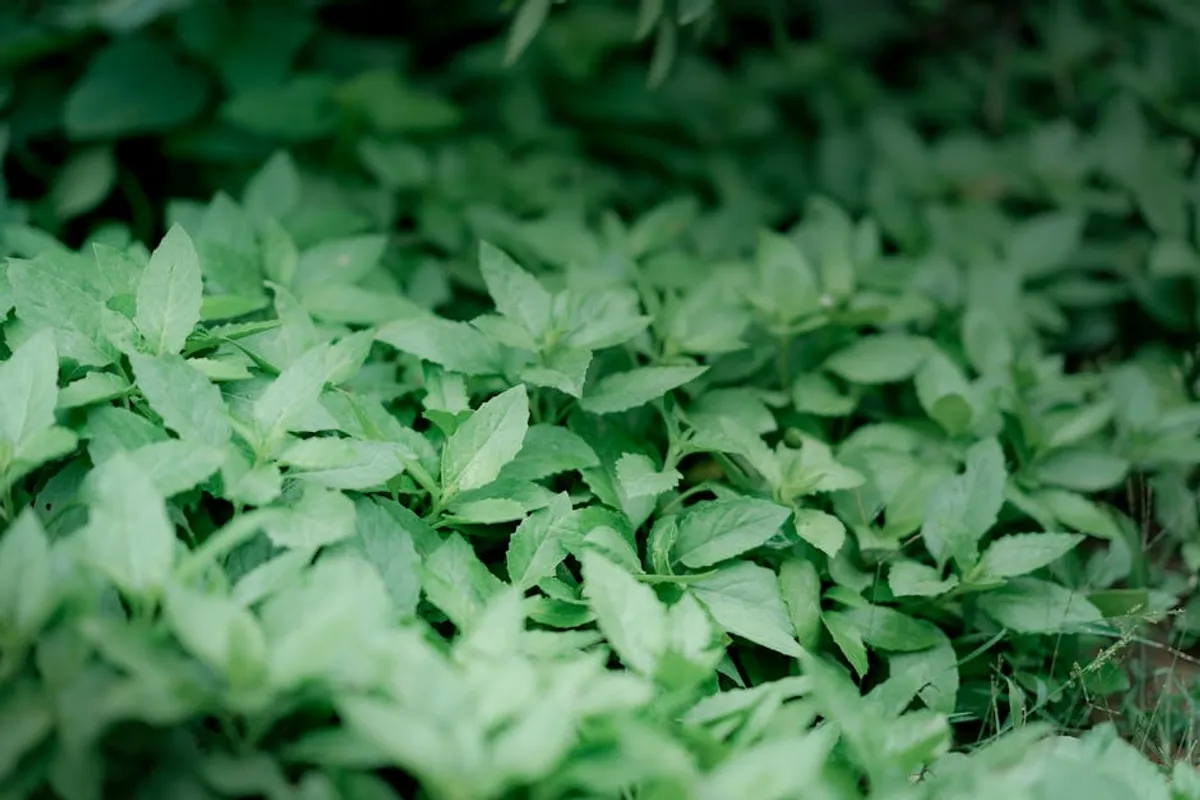
Kalmegh, botanically known as Andrographis paniculata, stands as a prominent herb in traditional medicine systems, particularly Ayurveda and Traditional Chinese Medicine (TCM). Recognised for its intensely bitter taste, it has been historically employed for a range of applications, often associated with immune support and inflammatory responses. For consumers, formulators, and health professionals evaluating herbal supplements, understanding Kalmegh's botanical profile, traditional applications, and contemporary research is crucial for informed decision-making. This guide provides a detailed overview, moving beyond anecdotal claims to present a commercially useful perspective on its identity, historical uses, and recent developments.
Understanding Kalmegh: Botanical Identity and Key Compounds
Kalmegh is an annual herbaceous plant native to South Asian countries like India, Sri Lanka, and Pakistan, as well as parts of Southeast Asia. It thrives in moist, shady places and is often cultivated for medicinal purposes. Its common names include 'King of Bitters' due to its extreme bitterness, and 'Chiretta' in some regions, though it is distinct from Swertia chirata.
The plant's therapeutic properties are primarily attributed to a class of diterpenoid lactones, with andrographolide being the most well-studied and abundant compound. Other active constituents include neoandrographolide, deoxyandrographolide, and andrographiside. These compounds are concentrated in the leaves and stems, which are typically used for extracts and powders.
Traditional Applications Across Health Systems
In Ayurvedic medicine, Kalmegh is classified as a 'bitter tonic' and is valued for its 'tikta rasa' (bitter taste) and 'ushna virya' (heating potency). It is traditionally used to balance Pitta and Kapha doshas. Historical texts suggest its use for:
- Digestive Support: Stimulating appetite and aiding digestion, particularly in cases of sluggish liver function.
- Fever Management: Often combined with other herbs to address fever and associated symptoms.
- Immune Response: Supporting the body's natural defenses against common seasonal ailments.
- Liver Health: Traditionally considered a hepatoprotective herb, assisting in detoxification processes.
Similarly, in Traditional Chinese Medicine, Kalmegh (referred to as Chuan Xin Lian) is used to clear heat and resolve toxicity, making it a common ingredient in formulas for infections, inflammation, and digestive issues.
Modern Research and Scientific Exploration
Contemporary scientific research has focused on elucidating the mechanisms behind Kalmegh's traditional uses, primarily through studies on its active compounds, particularly andrographolide.
Immune Modulation: Studies have explored Kalmegh's potential to support the immune system, with some research indicating it may help enhance immune cell activity and support the body's response to pathogens. This aligns with its traditional use in seasonal health challenges.
Anti-inflammatory Properties: Andrographolide has been investigated for its anti-inflammatory effects, potentially by influencing various inflammatory pathways. This area of research seeks to understand its role in managing inflammatory conditions.
Liver Support: Preclinical studies suggest Kalmegh extracts may exhibit hepatoprotective effects, potentially by reducing oxidative stress and supporting liver enzyme function. This provides a scientific basis for its historical use in liver-related conditions.
Antioxidant Activity: The plant's compounds demonstrate antioxidant properties, which contribute to cellular protection against free radical damage.
Pro Tip for Formulators: When sourcing Kalmegh extracts, prioritize products standardized to andrographolide content. This ensures a consistent concentration of the primary active compound, which is critical for product efficacy and reproducibility in dietary supplements.
Forms, Dosage Considerations, and Potential Interactions
Kalmegh is available in various forms, catering to different consumer preferences and formulation needs:
- Powdered Herb: Dried and ground leaves and stems, often used in traditional decoctions or encapsulated.
- Standardized Extracts: Concentrated forms, typically standardized to a specific percentage of andrographolides, available in capsules or tablets. These offer more precise dosing.
- Tinctures: Liquid alcoholic extracts.
Dosage varies significantly depending on the form, concentration of active compounds, and the specific application. General recommendations often range from 300 mg to 1200 mg of standardized extract daily, divided into multiple doses. However, it is essential to adhere to manufacturer guidelines for specific products and consult with a healthcare professional for personalized advice.
Potential Side Effects and Interactions: Kalmegh is generally considered safe for short-term use in recommended doses. However, potential side effects can include gastrointestinal discomfort (nausea, diarrhea), headache, and fatigue. Due to its potential effects on blood clotting and immune function, individuals on anticoagulant medications, immunosuppressants, or those with autoimmune conditions should exercise caution and consult a healthcare provider. Pregnant and breastfeeding women should avoid Kalmegh due to insufficient safety data.
Quality, Sourcing, and Market Updates
The quality of Kalmegh products is paramount, influenced by cultivation practices, harvesting methods, and extraction processes. Sourcing from reputable suppliers who conduct rigorous testing for identity, purity, and potency (e.g., andrographolide content, heavy metals, pesticides) is crucial. The market for Kalmegh supplements continues to grow, driven by increasing consumer interest in natural immune support and traditional remedies.
Recent updates in the herbal supplement industry emphasize transparency and traceability. Consumers and businesses are increasingly seeking products with clear documentation of origin, sustainable harvesting practices, and third-party verification of quality. Formulators are also exploring synergistic combinations of Kalmegh with other herbs or nutrients to enhance specific health outcomes, such as combining it with Vitamin C or Zinc for immune support, or with other hepatoprotective herbs for liver health formulas.
Key Takeaways for Informed Use
Kalmegh presents a compelling profile as a traditional herb with a history of use in immune, digestive, and liver support. Its efficacy is largely attributed to its diterpenoid lactones, particularly andrographolide, which continue to be the subject of scientific inquiry. For anyone considering Kalmegh, the emphasis remains on understanding its specific applications, adhering to recommended dosages, and being aware of potential interactions. Prioritizing high-quality, standardized products from reputable sources ensures both safety and the potential for desired effects, aligning traditional wisdom with modern scientific understanding.
Frequently Asked Questions About Kalmegh
What is Kalmegh primarily known for?
Kalmegh is primarily known for its intensely bitter taste and its traditional use in supporting immune function, aiding digestion, and promoting liver health, particularly in Ayurvedic and Traditional Chinese Medicine.
Are there specific active compounds in Kalmegh?
Yes, the main active compounds in Kalmegh are diterpenoid lactones, with andrographolide being the most prominent and extensively studied, responsible for many of its observed biological activities.
Can Kalmegh be taken with other medications?
Individuals taking other medications, especially anticoagulants or immunosuppressants, should consult a healthcare professional before using Kalmegh due to potential interactions and its effects on blood clotting and immune response.
How can one ensure the quality of Kalmegh supplements?
To ensure quality, look for Kalmegh supplements from reputable brands that provide third-party testing, disclose standardization to andrographolide content, and offer transparency regarding sourcing and manufacturing practices.