
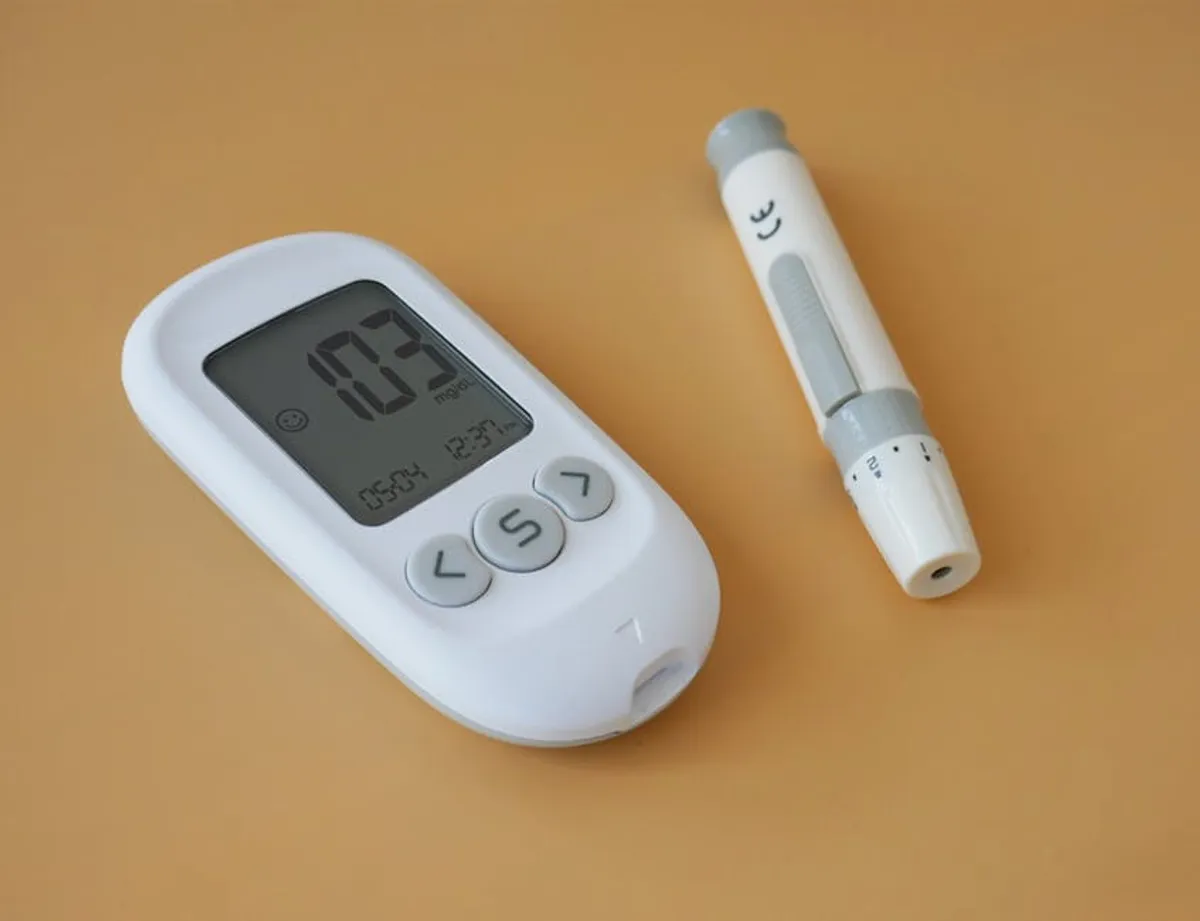
Jmhpower appears to operate in the competitive health and wellness sector, a domain where search intent is often critical and user trust is paramount. Understanding how Jmhpower structures its content, addresses health claims, and guides users toward reliable information is key to dissecting its organic search presence. This analysis will explore the site's apparent content strategy, potential traffic sources, and the nuances of health-related search intent, offering insights into its current visibility and future growth opportunities.
What Jmhpower Appears to Cover
Jmhpower's content strategy seems centered on providing information related to health, fitness, and general wellness. The site likely publishes articles that address common health concerns, explain various dietary approaches, and review exercise routines. A significant portion of its content may focus on demystifying health claims, which is crucial in a field often characterized by conflicting information. This could involve articles that analyze the scientific basis (or lack thereof) for popular supplements, superfoods, or alternative therapies. Furthermore, Jmhpower likely offers guidance on safer research practices, instructing readers on how to evaluate sources, interpret scientific studies, and distinguish credible health advice from unsubstantiated claims. This positions the site as a resource for informed decision-making in personal health management. Topics could range from nutritional science breakdowns, exercise physiology explained, mental wellness strategies, to detailed explorations of specific health conditions and their management, all framed with an emphasis on evidence-based understanding.
Where Its Search Traffic May Come From
Organic search traffic for Jmhpower likely originates from a diverse set of keywords reflecting user queries across various stages of their health information journey. These could include informational searches such as "benefits of [nutrient]," "how to improve [health condition]," or "understanding [medical term]." Users looking for more specific guidance might search for "safest way to research [health topic]" or "evaluating health claims for [product]." The site may also capture traffic from long-tail keywords related to specific symptoms, dietary restrictions, or fitness goals. Given the nature of health content, a substantial portion of traffic could stem from users seeking to validate or debunk popular health myths, or those looking for accessible explanations of complex medical concepts. Search visibility for Jmhpower would depend heavily on its ability to rank for these high-intent, health-specific queries, often requiring content that demonstrates strong expertise, experience, authoritativeness, and trustworthiness (E-E-A-T).
Search Intent Behind the Subject
The search intent driving users to Jmhpower is predominantly informational, often with an underlying commercial or transactional intent further down the funnel. Users initially seek answers to questions like "what are the side effects of X," "how does Y diet work," or "is Z health claim true." This informational intent requires Jmhpower to provide clear, well-researched, and comprehensive answers. However, within the health niche, informational searches frequently precede decisions to purchase supplements, join fitness programs, or consult health professionals. Therefore, Jmhpower's content strategy must subtly address these commercial considerations by providing balanced information that helps users make informed choices without directly endorsing specific products. The site's focus on "safer research tips" also indicates an intent to empower users to become more critical consumers of health information, fostering a deeper level of trust and engagement.
Why Traffic May Rise or Fall
Jmhpower's organic search traffic fluctuations are likely tied to several critical factors. Algorithm updates from major search engines frequently impact health-related sites, particularly those that deal with YMYL (Your Money or Your Life) topics, where accuracy and trustworthiness are heavily scrutinized. Sites that fail to demonstrate robust E-E-A-T signals—such as clear authorship, editorial guidelines, and expert review processes—may see declines. Conversely, sites that consistently update content with the latest research, cite credible sources, and provide a transparent editorial process are more likely to experience traffic growth. The emergence of new health trends or public health events can also cause significant shifts, as user search volume for related topics surges. Content freshness, the depth of scientific backing, and the ability to address evolving health concerns will directly influence Jmhpower's visibility.
How the Site Could Improve Organic Visibility
To enhance organic visibility, Jmhpower could focus on several strategic areas. Expanding its content clusters around specific, high-value health conditions or wellness categories, ensuring comprehensive coverage from symptoms to management, would capture a wider range of long-tail queries. Implementing structured data markup (schema.org) for articles, FAQs, and author profiles can help search engines better understand and present its content, potentially leading to rich snippets. A clear editorial policy that highlights the qualifications of content creators and reviewers, alongside visible author bios, would bolster E-E-A-T signals. Furthermore, actively seeking authoritative backlinks from other reputable health and academic institutions could significantly improve domain authority. Conducting regular content audits to update older articles with new research and ensure accuracy is also vital, as is identifying and filling content gaps where user questions remain unanswered or poorly addressed by existing content.
What to Check Before Trusting Traffic Estimates
Relying solely on third-party traffic estimates for any domain, including Jmhpower, can be misleading. These tools use various methodologies, often involving sampling and statistical modeling, which may not accurately reflect a site's true performance. Factors like geographic targeting, specific long-tail keyword performance, and the impact of branded search queries are frequently underestimated. Direct access to a website's internal analytics, such as Google Analytics, provides the most accurate data on user behavior, traffic sources, and conversion paths. Before making strategic decisions based on external estimates, it's crucial to understand their limitations and cross-reference them with any available internal data or qualitative insights about the target audience and content performance.
Is Jmhpower's content evidence-based?
Jmhpower appears to prioritize content that addresses health claims and offers safer research tips, suggesting an editorial focus on presenting information backed by credible sources and scientific understanding. Its utility for users hinges on the consistency and rigor of this approach.
What types of health topics does Jmhpower cover?
The site likely covers a broad spectrum of health and wellness topics, including nutritional advice, fitness routines, mental health strategies, and detailed explanations of common health conditions, all framed within the context of evaluating health claims and promoting informed research.
How does Jmhpower address health claims?
Jmhpower's content strategy likely involves dissecting and analyzing popular health claims, presenting evidence-based perspectives, and guiding readers on how to critically assess such claims themselves, fostering a more discerning approach to health information.
What makes Jmhpower a valuable resource for health information?
Jmhpower aims to be a valuable resource by focusing on clarity, accuracy, and empowering its audience with the knowledge to conduct safer health research and evaluate complex health claims effectively, thereby promoting informed decision-making.



