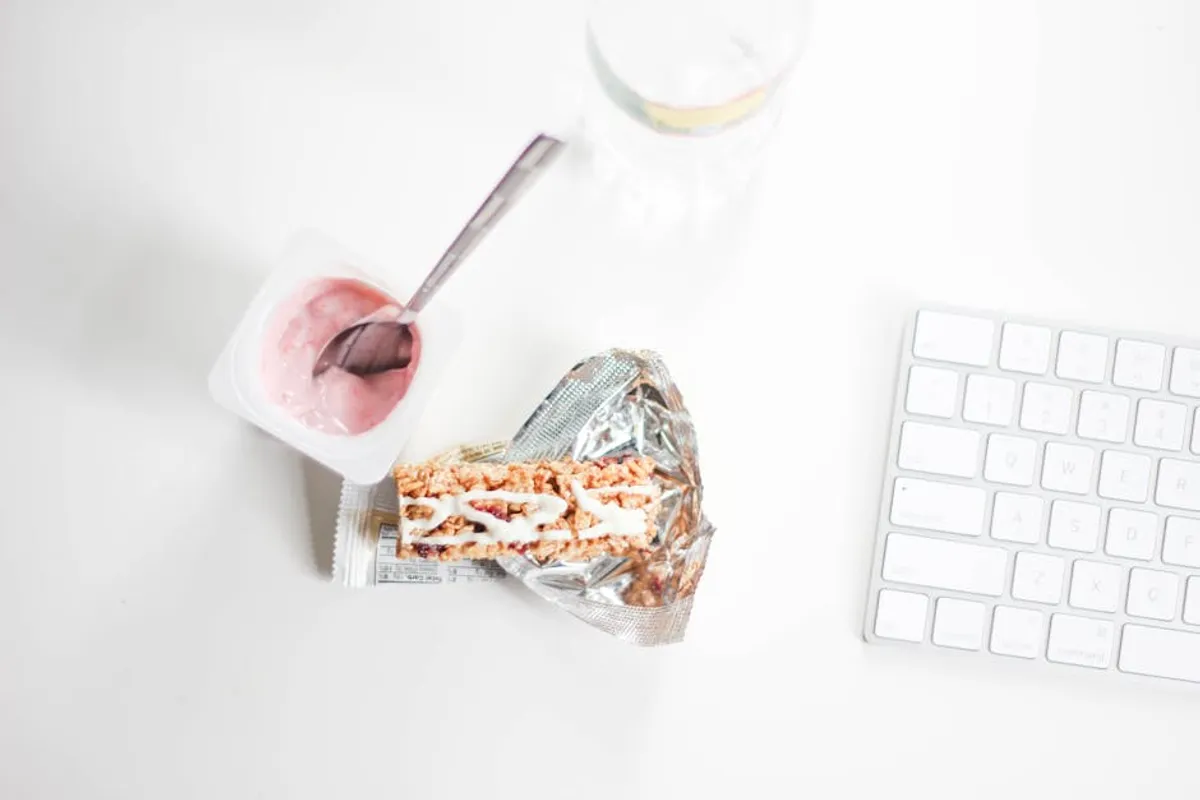
Maintaining consistent energy and focus throughout the day hinges significantly on strategic snacking. Rather than reaching for processed, high-sugar options that provide fleeting energy spikes followed by crashes, selecting nutrient-dense alternatives can support sustained performance, mood stability, and overall well-being. The challenge often lies in identifying convenient, portable, and genuinely healthy choices that fit seamlessly into diverse environments, whether a busy office, a school backpack, or a travel itinerary. This guide outlines practical, actionable snack ideas, emphasizing ingredients that deliver lasting satiety and essential nutrients, minimizing preparation time while maximizing nutritional impact.
Prioritizing Nutrients for Sustained Energy
Effective snacking moves beyond simply curbing hunger; it involves deliberate choices that fuel the body and mind. Key nutritional components to prioritize include protein, healthy fats, and complex carbohydrates, as these work synergistically to provide sustained energy release and satiety.
Protein-Rich Options for Satiety
Protein is crucial for building and repairing tissues, and it significantly contributes to feelings of fullness, helping to prevent overeating at subsequent meals. Integrating protein into snacks stabilizes blood sugar levels, which is vital for sustained concentration and avoiding energy slumps.
- Hard-boiled eggs: Each large egg provides approximately 6 grams of complete protein. They are highly portable, require no refrigeration for short periods, and are inexpensive.
Best for: Work, travel (short trips), pre-prepared school lunches.
- Greek yogurt: Offers a higher protein content than regular yogurt, typically 15-20 grams per serving. Opt for plain varieties to avoid added sugars, and consider adding berries for natural sweetness and antioxidants.
Best for: Work (with refrigeration), school (with ice pack), home.
- Cottage cheese: Similar to Greek yogurt, cottage cheese is rich in casein protein, which digests slowly, promoting prolonged fullness. A half-cup serving can contain 12-14 grams of protein. Pair with sliced vegetables or a sprinkle of black pepper.
Best for: Work (with refrigeration), home.
- Edamame: A plant-based complete protein source, offering about 17 grams of protein per cup (shelled). Available frozen, it can be quickly steamed or microwaved. Roasted edamame pods are also a convenient, fiber-rich option.
Best for: Work, school, travel (roasted).
Healthy Fats for Brain Function and Fullness
Healthy fats, particularly monounsaturated and polyunsaturated fats, are essential for brain health, hormone production, and nutrient absorption. They also contribute significantly to satiety, helping to manage appetite effectively.
- Nuts and seeds: Almonds, walnuts, cashews, pistachios, pumpkin seeds, and sunflower seeds are excellent sources of healthy fats, protein, and fiber. A small handful (about a quarter cup) provides a concentrated energy boost.
Best for: Work, school, travel (highly portable, shelf-stable).
- Avocado: Rich in monounsaturated fats, fiber, and potassium. While less convenient for on-the-go, pre-portioned guacamole cups or sliced avocado (with lemon juice to prevent browning) can be packed.
Best for: Work (if prepared), home.
- Nut butter packets: Individual squeeze packs of almond or peanut butter offer a convenient, mess-free source of healthy fats and protein. Pair with apple slices or celery sticks.
Best for: Work, school, travel.
Fiber-Rich Complex Carbohydrates for Sustained Energy
Complex carbohydrates, particularly those rich in fiber, provide a steady release of glucose into the bloodstream, preventing energy crashes. Fiber also supports digestive health and contributes to fullness.
- Whole-grain crackers or rice cakes: Choose varieties with minimal added sugars and sodium. Top with nut butter, avocado, or a slice of low-fat cheese for added protein and fat.
Best for: Work, school, travel.
- Fresh fruit: Apples, bananas, oranges, berries, and grapes are natural sources of fiber, vitamins, and antioxidants. They are generally easy to pack and require minimal preparation.
Best for: Work, school, travel.
- Vegetable sticks: Carrots, celery, bell peppers, and cucumber slices are low in calories, high in fiber, and provide essential vitamins. Pair with hummus for added protein and flavor.
Best for: Work, school, travel (with small container of hummus).
Pro Tip: Strategic Snack Preparation
Allocate time once or twice a week for snack preparation. This could involve portioning nuts, washing and cutting vegetables, hard-boiling eggs, or assembling homemade energy bites. Pre-packaging snacks into individual containers or reusable bags eliminates decision fatigue during busy weekdays and reduces the likelihood of resorting to less healthy, impulsive choices. Focus on items that require minimal assembly just before consumption to maintain freshness and appeal.
Contextual Snack Selection: Work, School, and Travel
The ideal snack often depends on the environment. Considerations like refrigeration availability, mess potential, and durability play a significant role in selection.
Snacks for the Workplace
Workplace snacks should be non-disruptive, easy to consume at a desk, and ideally, require minimal cleanup. Focus on options that don't emit strong odors or create excessive crumbs.
- Individual fruit: Apples, bananas, oranges, pears.
Justification: Portable, self-contained, minimal mess, provides natural sugars and fiber.
- Small containers of nuts or seeds: Almonds, walnuts, pumpkin seeds.
Justification: High in protein and healthy fats for sustained energy, easy to portion, quiet to eat.
- Vegetable sticks with single-serving hummus: Carrots, celery, bell peppers.
Justification: Hydrating, fiber-rich, protein from hummus, requires minimal prep if pre-cut.
- Hard-boiled eggs:
Justification: High protein, satiating, can be pre-cooked and stored.
Snacks for School
School snacks need to be kid-friendly, durable enough to withstand a backpack, and often mindful of common allergens. Simplicity and appeal are key.
- Apple slices with nut butter dip: Pack nut butter in a small, sealed container.
Justification: Fiber, protein, healthy fats, appealing texture, provides energy for learning.
- Cheese sticks or cubes:
Justification: Good source of calcium and protein, easy for small hands, durable.
- Homemade trail mix: Combine nuts, seeds, a small amount of dried fruit, and whole-grain cereal.
Justification: Customizable, energy-dense, portable, avoids excessive sugar from commercial versions.
- Whole-grain crackers with avocado: Prepare avocado at home and pack in an airtight container to prevent browning.
Justification: Healthy fats, fiber, can be eaten with hands, provides sustained energy.
Snacks for Travel
Travel snacks prioritize non-perishability, portability, and minimal mess. Options that don't require refrigeration are ideal, especially for longer journeys or flights.
- Mixed nuts and seeds:
Justification: Excellent source of protein and healthy fats, highly portable, no refrigeration needed, durable.
- Dried fruit (in moderation): Raisins, apricots, mango slices.
Justification: Concentrated energy, fiber, lightweight, long shelf life.
- Whole-grain energy bars: Look for bars with minimal added sugar and real food ingredients.
Justification: Convenient, individually wrapped, provides quick energy and some fiber.
- Whole-grain crackers:
Justification: Shelf-stable, versatile, can be eaten plain or with shelf-stable toppings like nut butter packets.
Implementing a Sustainable Snacking Routine
Establishing a routine for healthy snacking involves more than just selecting the right items; it requires consistent planning and mindful consumption. Begin by assessing your daily schedule and identifying natural snack times. For instance, a mid-morning snack can bridge the gap between breakfast and lunch, preventing excessive hunger that often leads to poor lunch choices. Similarly, an afternoon snack can sustain energy levels through the late workday or school hours, reducing the temptation for sugary treats before dinner.
Consider your personal energy needs. If you engage in physical activity, a snack rich in complex carbohydrates and protein before or after exercise can optimize performance and recovery. For those primarily engaged in sedentary work, smaller, nutrient-dense options are more appropriate to avoid excess calorie intake. Pay attention to portion sizes; even healthy snacks can contribute to calorie surplus if consumed excessively. Using small containers or pre-portioned bags can help manage this effectively.
Finally, embrace variety. Rotating your snack choices ensures a broader spectrum of nutrients and prevents palate fatigue. Experiment with different fruits, vegetables, nuts, and protein sources to discover combinations that you find both satisfying and enjoyable. This proactive approach transforms snacking from an afterthought into a deliberate strategy for better health and sustained productivity.
Frequently Asked Questions
How often should I snack throughout the day?
The ideal frequency varies by individual energy needs, activity level, and meal timing. Generally, 1-2 snacks between main meals can help manage hunger and maintain stable blood sugar. Listen to your body's hunger cues.
Are store-bought protein bars truly healthy snack options?
Many store-bought protein bars contain high amounts of added sugars, artificial sweeteners, and processed ingredients. Always check the nutrition label for protein content, fiber, and especially added sugars. Opt for bars with whole food ingredients and under 5-8 grams of added sugar per serving.
What are good healthy snack options for kids with allergies?
For common allergies like nuts or dairy, focus on fruit, vegetable sticks, sunflower seed butter (if tolerated), rice cakes, or gluten-free crackers. Always confirm ingredients and consider allergy-safe brands or homemade options to control contents.
How can I make sure my snacks stay fresh when I'm on the go?
Utilize insulated lunch bags with ice packs for perishable items like yogurt or cheese. For non-perishables, airtight containers or resealable bags prevent spoilage and keep items fresh. Choose durable fruits and vegetables like apples and carrots over softer options.