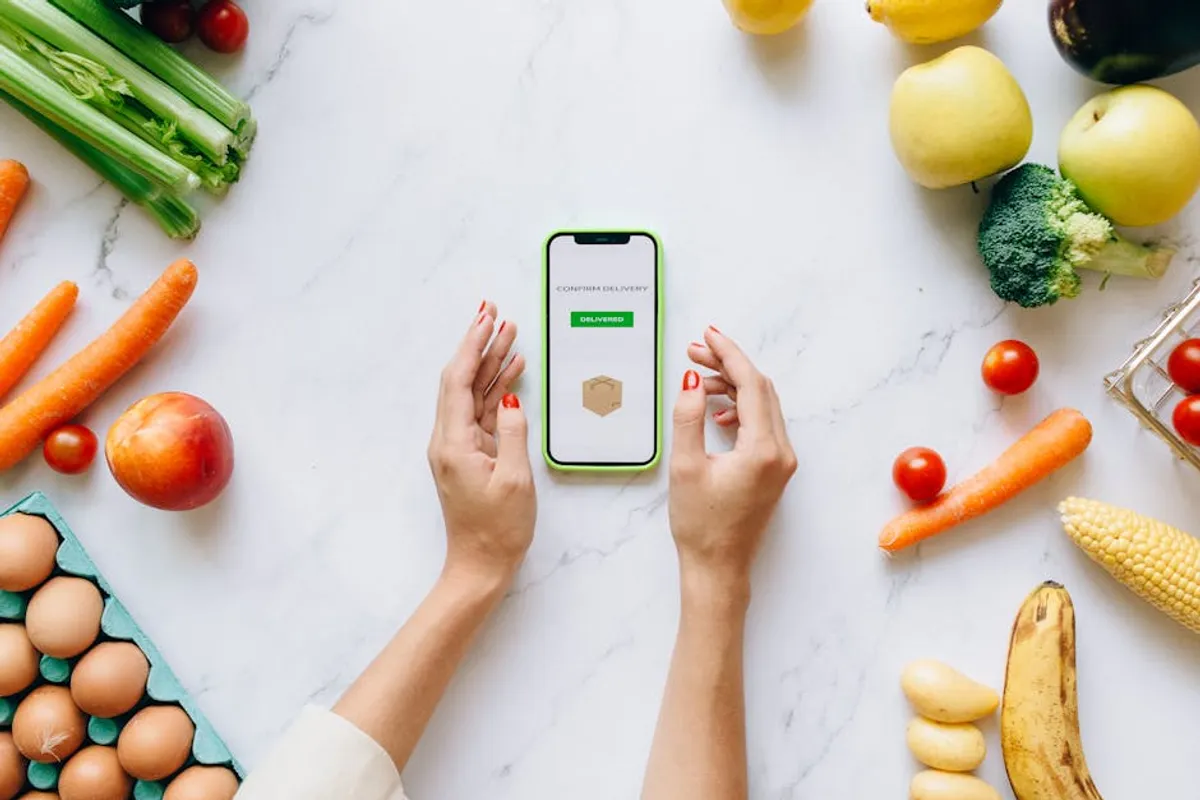
Navigating a busy week while maintaining healthy eating habits presents a common challenge. The default often becomes reliance on convenient, less nutritious options or expensive takeout, undermining both health goals and financial efficiency. Strategic grocery planning offers a direct solution, transforming a potential time sink into a structured process that supports consistent, wholesome meals. This approach centers on pre-emptive decision-making, ingredient versatility, and streamlined shopping, ensuring that a demanding schedule does not derail nutritional intent.
Strategic Meal Planning Foundations
Effective grocery list creation begins long before stepping into a store. It requires a clear understanding of the week's schedule, including potential late nights, travel, or specific dietary needs. Start by outlining 3-4 primary dinner recipes and 2-3 lunch options that can be prepped in advance or assembled quickly. Breakfasts often remain consistent, simplifying that component. Focus on recipes that share common ingredients, allowing for bulk purchasing and minimizing waste. This pre-planning phase is crucial for avoiding impulse buys and ensuring every item on your list serves a purpose.
- Recipe Selection: Prioritize dishes with minimal cook time or those suitable for batch cooking (e.g., sheet pan meals, slow cooker stews, large salads with protein).
- Ingredient Overlap: Choose recipes that utilize similar vegetables, proteins, or grains to reduce the number of unique items needed.
- Schedule Integration: Match meal complexity to your available time. Opt for no-cook or minimal-cook options on particularly hectic days.
- Snack Strategy: Plan for healthy, grab-and-go snacks to prevent reaching for processed alternatives when hunger strikes.
Core Grocery Categories for Efficiency
A well-structured grocery list categorizes items logically, mirroring the layout of most supermarkets. This not only speeds up the shopping process but also reduces mental fatigue. Focus on nutrient-dense staples that offer flexibility across various meals.
Proteins for Quick Assembly
Opt for proteins that require minimal preparation or can be cooked in bulk. Cooked chicken breast (rotisserie or pre-cooked), canned tuna or salmon, eggs, and firm tofu are excellent choices. For plant-based options, canned beans, lentils, and edamame provide quick additions to salads, wraps, or grain bowls. These selections reduce on-the-spot cooking demands during busy weekdays.
Versatile Produce Selections
Prioritize hardy vegetables with longer shelf lives and those that can be consumed raw or with minimal cooking. Spinach, kale, carrots, bell peppers, broccoli florets, and cherry tomatoes are highly versatile. Frozen vegetables (e.g., peas, corn, mixed greens) are also valuable for their convenience and extended storage, eliminating chopping time. Fruits like apples, bananas, oranges, and berries (fresh or frozen) offer quick snacks or smoothie bases.
Whole Grains and Healthy Fats
Stock up on quick-cooking whole grains such as quinoa, quick oats, and whole wheat pasta. Brown rice can be cooked in larger batches and portioned. For healthy fats, consider avocados, nuts (almonds, walnuts), seeds (chia, flax, pumpkin), and olive oil. These provide sustained energy and essential nutrients without requiring extensive preparation.
Smart Choices for Quick Preparation
The "busy week" aspect mandates a focus on items that minimize kitchen time. This extends beyond raw ingredients to include strategically chosen pantry staples and prepared items that support healthy eating without added effort.
Pro Tip: When selecting pre-cut or pre-washed produce, evaluate the cost-benefit. While often pricier per pound, the time saved in preparation can be a significant factor for individuals with extremely tight schedules, directly contributing to adherence to healthy eating plans.
Pantry Staples for Flavor and Speed
Maintain a well-stocked pantry with items like low-sodium broths, canned diced tomatoes, various spices, vinegars, and healthy oils. These foundational ingredients elevate simple meals. Additionally, consider whole-grain tortillas or wraps, rice cakes, and whole-grain crackers for quick meal bases.
Dairy and Dairy Alternatives
Plain Greek yogurt, cottage cheese, and milk (dairy or plant-based) offer quick protein and calcium sources. These can be paired with fruits, nuts, or used as bases for smoothies. Choose unsweetened varieties to control sugar intake.
Optimizing Your Shopping Trip
The actual grocery run should be an efficient execution of your pre-planned list. Avoid browsing aisles unnecessarily. Stick to your list to prevent impulse purchases of less healthy or unneeded items. If time is severely limited, consider online grocery ordering with curbside pickup or delivery services. This strategy leverages technology to save time and reduce decision fatigue in the store.
Post-Shopping Management and Storage
Upon returning from the store, dedicate 30-60 minutes to initial food preparation. This "power hour" can significantly reduce daily cooking friction. Wash and chop vegetables, portion out proteins, and cook grains in bulk. Store items in clear, airtight containers for easy visibility and access. Proper storage extends freshness and makes healthy components readily available for meal assembly throughout the week.
Sustaining Your Healthy Routine
Consistency is key to making a healthy grocery list a sustainable practice. Review your meal plan and grocery list weekly, adapting based on your schedule, ingredient availability, and what worked well (or didn't) the previous week. This iterative process refines your approach, making healthy eating an integrated, effortless part of your busy lifestyle rather than an added chore. The goal is to build a system that supports your health without demanding excessive time or mental bandwidth.
Common Questions on Busy Week Grocery Planning
How can I reduce food waste with a busy schedule?
Focus on versatile ingredients that can be used in multiple recipes, portioning cooked foods, and utilizing freezer-friendly options. Regularly check your fridge and pantry to use up items nearing their expiration date before shopping again.
What are the best types of snacks for a busy week?
Opt for whole, unprocessed snacks like fruit, nuts, seeds, Greek yogurt, hard-boiled eggs, or pre-cut vegetables with hummus. These require minimal preparation and provide sustained energy.
Should I buy organic for every item on my list?
The decision to buy organic is personal. Prioritize organic for items on the "Dirty Dozen" list (foods with higher pesticide residues) if it aligns with your budget and values. For other items, conventional produce is still highly nutritious.
How often should I go grocery shopping for a busy week?
For most busy individuals, one main shopping trip per week is ideal. Supplement with a quick mid-week run for highly perishable items like fresh herbs or specific produce if needed, but aim to minimize these extra trips through effective planning.