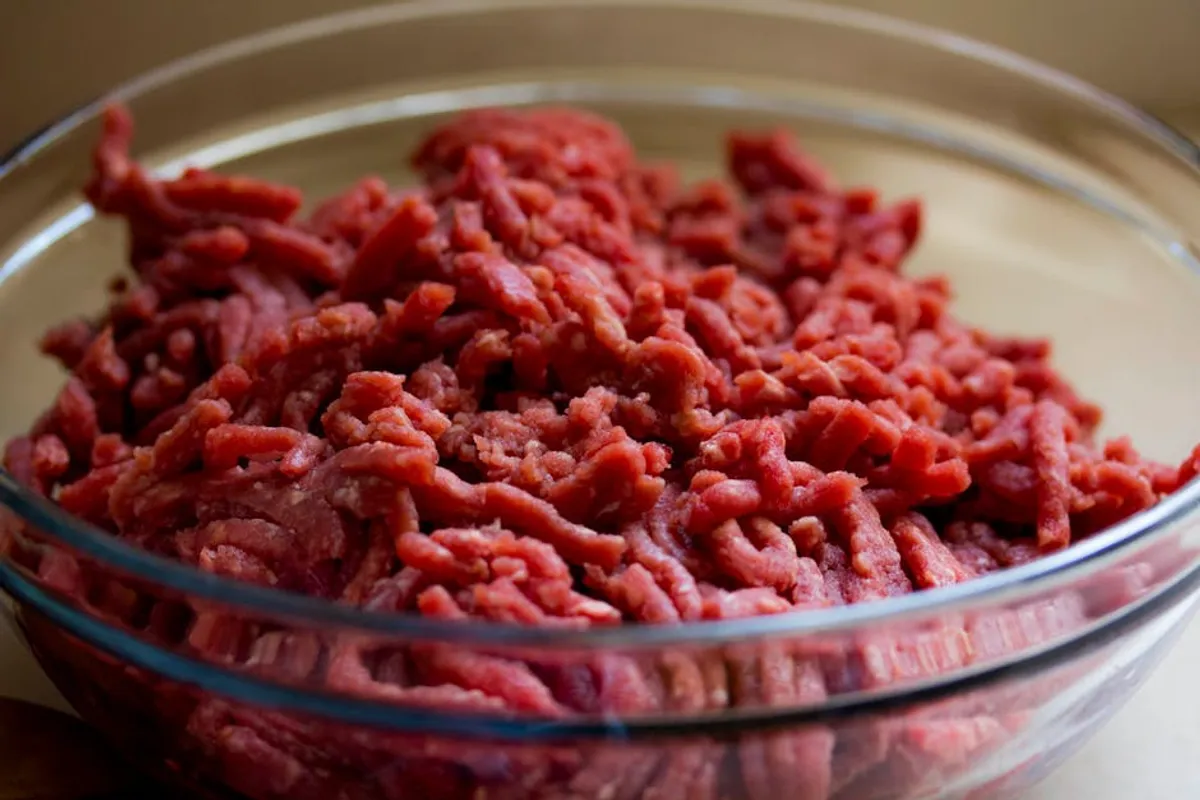
Incorporating ground beef into a high-protein diet offers a practical, cost-effective, and versatile approach to meal preparation. For individuals prioritizing protein intake, ground beef stands out due to its high protein-to-cost ratio and adaptability across diverse culinary applications. The primary challenge in sustained high-protein meal prep often lies in maintaining variety and preventing flavor fatigue, all while ensuring nutritional goals are met efficiently. This guide details specific strategies and actionable meal ideas that leverage ground beef's inherent benefits, enabling consistent adherence to dietary plans without extensive daily cooking. Understanding how much protein you need is the first step to building an effective high-protein diet plan.
The Foundation: Understanding Ground Beef for Meal Prep
Effective ground beef meal prep begins with understanding its nutritional profiles and optimal cooking methods for batch preparation. Selecting the right lean-to-fat ratio and mastering efficient cooking techniques are fundamental to maximizing both nutritional value and time savings.
Lean vs. Regular: Nutritional Impact
Ground beef is categorized by its lean-to-fat ratio, directly impacting its caloric density, macronutrient breakdown, and suitability for different dishes. Common ratios include 80/20, 90/10, 93/7, and 96/4 (lean/fat).
- 80/20 Ground Beef: Contains approximately 20 grams of fat per 100 grams, offering a richer flavor and juicier texture due to higher fat content. This ratio is often more budget-friendly but requires thorough draining of excess fat for most high-protein meal prep applications to manage caloric intake.
- 90/10 Ground Beef: A balanced option with about 10 grams of fat per 100 grams. It retains good flavor while significantly reducing overall fat compared to 80/20, making it suitable for a wider range of dishes without excessive grease.
- 93/7 and 96/4 Ground Beef: These very lean options contain 7 grams or less of fat per 100 grams. They provide the highest protein concentration per calorie, ideal for strict high-protein, lower-fat diets. The reduced fat content means less moisture, so these ratios benefit from added moisture during cooking or pairing with sauces to prevent dryness.
For high-protein meal prep, 90/10 or leaner ground beef is generally preferred. The higher protein concentration supports muscle synthesis and satiety, while lower fat content aligns with common dietary goals for lean protein sources. The slight cost premium for leaner options is often offset by reduced rendered fat waste and improved nutritional density.
Batch Cooking Techniques for Ground Beef
Efficiently cooking large quantities of ground beef is central to successful meal prep. Several methods cater to different preferences and equipment availability:
- Stovetop Browning: The most common method. Brown ground beef in a large skillet over medium-high heat, breaking it apart with a spoon. Once cooked through and no pink remains, drain any rendered fat. This method is quick and effective for batches up to 2-3 pounds.
- Oven Baking: For larger quantities (3+ pounds), spreading ground beef in a single layer on a rimmed baking sheet (lined with foil for easy cleanup) and baking at 375°F (190°C) for 15-20 minutes offers a hands-off approach. Drain fat after baking. This minimizes active cooking time.
- Slow Cooker/Instant Pot: While less common for plain browned ground beef, these appliances excel at preparing ground beef in sauces, chilis, or stews. This allows for tender, flavorful results with minimal supervision, ideal for bulk recipes that can be portioned later.
Regardless of the method, ensure the internal temperature reaches 160°F (71°C) for safety. Once cooked, allow the beef to cool slightly before portioning into airtight containers for refrigeration or freezing.
Versatile Ground Beef Meal Prep Ideas
Preventing meal fatigue is critical for long-term adherence to a high-protein diet. Ground beef's versatility allows for a broad spectrum of flavor profiles and dish types, making it a staple that doesn't feel repetitive.
Classic Comforts, Reimagined
These ideas transform familiar dishes into protein-packed, meal-prep-friendly options.
Idea 1: High-Protein Beef and Veggie Skillet
Combine lean ground beef with a generous mix of non-starchy vegetables such as broccoli florets, sliced bell peppers, and shredded carrots. Season with low-sodium soy sauce or tamari, fresh ginger, and garlic for an Asian-inspired profile. Cook the beef, then add vegetables until tender-crisp. This dish is quick to prepare, rich in micronutrients, and reheats effectively without becoming soggy. Portion into containers alongside a small serving of brown rice or cauliflower rice for a complete meal.
Idea 2: Lean Beef Chili or Bolognese
Prepare a large batch of lean ground beef chili (with kidney beans, diced tomatoes, and chili spices) or a rich Bolognese sauce (with crushed tomatoes, tomato paste, and Italian herbs). Both recipes benefit from slow simmering, allowing flavors to meld, and are excellent for freezing. Serve chili with a dollop of Greek yogurt for added protein, or pair Bolognese with zucchini noodles or whole-wheat pasta for a balanced meal.
Global Flavors for Variety
Introduce diverse cuisines to keep meal prep exciting and prevent monotony.
Idea 3: Mediterranean Beef Bowls
Season ground beef with oregano, cumin, and a touch of lemon zest. Serve over a base of quinoa or brown rice with fresh components like diced cucumber, cherry tomatoes, Kalamata olives, and a sprinkle of feta cheese. A side of homemade tzatziki (Greek yogurt, cucumber, garlic) adds creaminess and extra protein. Keep wet ingredients (tzatziki, fresh vegetables) separate until serving to maintain freshness.
Idea 4: Spicy Asian Beef Lettuce Wraps
Brown ground beef with minced ginger, garlic, water chestnuts, and a sauce made from low-sodium soy sauce, rice vinegar, and a touch of sriracha for heat. This filling is quick to cook and offers a vibrant flavor. Portion the cooked beef mixture and large lettuce cups (butter or romaine work well) separately. Assemble just before eating to ensure crisp lettuce and a satisfying texture. This option is naturally low-carb and high in protein.
Quick Assembly Options
For minimal cooking or when time is extremely limited, these ideas prioritize speed and convenience.
Idea 5: Ground Beef & Egg Scramble
Pre-cook and portion ground beef. When ready to eat, quickly scramble eggs with spinach, then combine with a portion of the pre-cooked beef. This makes for a rapid, high-protein breakfast or lunch. Season with salt, pepper, and a pinch of red pepper flakes for a kick. This meal reheats adequately in a microwave, making it suitable for office lunches.
Idea 6: Stuffed Bell Peppers
Halve bell peppers and stuff them with a mixture of cooked ground beef, cooked rice (or cauliflower rice for a lower carb option), diced tomatoes, and Italian seasonings. These can be assembled and baked fresh, or prepared in advance, baked, and then reheated. Stuffed peppers offer a complete, balanced meal in a convenient, portable package.
Pro Tip: To prevent ground beef from drying out during reheating, especially leaner cuts, add a tablespoon of broth, water, or a light sauce to the container before microwaving or reheating on the stovetop. Cover the container or pan to trap steam, which helps reintroduce moisture.
Optimizing Your High-Protein Meal Prep
Beyond individual recipes, strategic planning for seasoning, storage, and reheating maximizes the longevity and appeal of your ground beef meals.
Strategic Seasoning and Flavor Profiles
Varying seasonings is key to avoiding palate fatigue. Instead of using the same spices for every batch, rotate through different flavor profiles:
- Mexican/Southwestern: Cumin, chili powder, paprika, oregano, garlic powder.
- Italian: Basil, oregano, thyme, rosemary, garlic powder, onion powder.
- Asian: Ginger, garlic, five-spice powder, soy sauce, sesame oil.
- Mediterranean: Oregano, mint, lemon zest, garlic, black pepper.
Pre-mixing spice blends for specific recipes can save time during the cooking process. Fresh herbs added just before serving also significantly brighten flavors.
Storage and Reheating Best Practices
Proper storage is paramount for food safety and meal quality.
- Refrigeration: Cooked ground beef meals should be stored in airtight containers in the refrigerator for no more than 3-4 days. Labeling containers with the date of preparation helps track freshness.
- Freezing: For longer storage, portion cooked ground beef or complete meals into freezer-safe containers or heavy-duty freezer bags. Remove as much air as possible to prevent freezer burn. Ground beef can be frozen for up to 3 months. Thaw frozen meals in the refrigerator overnight before reheating.
- Reheating:
- Microwave: The quickest method. Use a microwave-safe container, cover loosely, and reheat in 1-2 minute intervals, stirring between, until heated through (165°F / 74°C).
- Stovetop: Ideal for saucy dishes or when reheating larger quantities. Use a skillet over medium heat, adding a splash of water or broth to prevent sticking and dryness.
- Oven: Best for dishes like stuffed peppers or casseroles. Cover with foil to retain moisture and bake at 300-325°F (150-160°C) until heated through.
Sustaining Your High-Protein Ground Beef Meal Prep
Consistent, high-protein meal preparation with ground beef is a strategic habit that yields significant returns in time saved, nutritional adherence, and budget control. By focusing on leaner cuts, employing efficient batch cooking methods, and intentionally varying flavor profiles, individuals can maintain interest and achieve their dietary objectives. The adaptability of ground beef allows for a dynamic meal plan, ensuring that high-protein eating remains both practical and enjoyable.
Frequently Asked Questions
- How long does cooked ground beef last in the fridge?
- Cooked ground beef, stored properly in an airtight container, typically lasts for 3 to 4 days in the refrigerator.
- Can I freeze ground beef meals?
- Yes, cooked ground beef and most ground beef-based meals freeze exceptionally well. Store them in freezer-safe containers or bags for up to 3 months for optimal quality.
- What's the best way to reheat ground beef without drying it out?
- To prevent dryness, especially with leaner cuts, add a tablespoon of broth, water, or a light sauce to the ground beef before reheating. Cover the container or pan to trap steam, which helps reintroduce moisture.
- How can I make ground beef meals more budget-friendly?
- Opt for 80/20 or 90/10 lean ground beef when on sale, as these are often more economical per pound. Extend meals by incorporating inexpensive fillers like beans, lentils, or oats, and bulk up dishes with seasonal, budget-friendly vegetables.