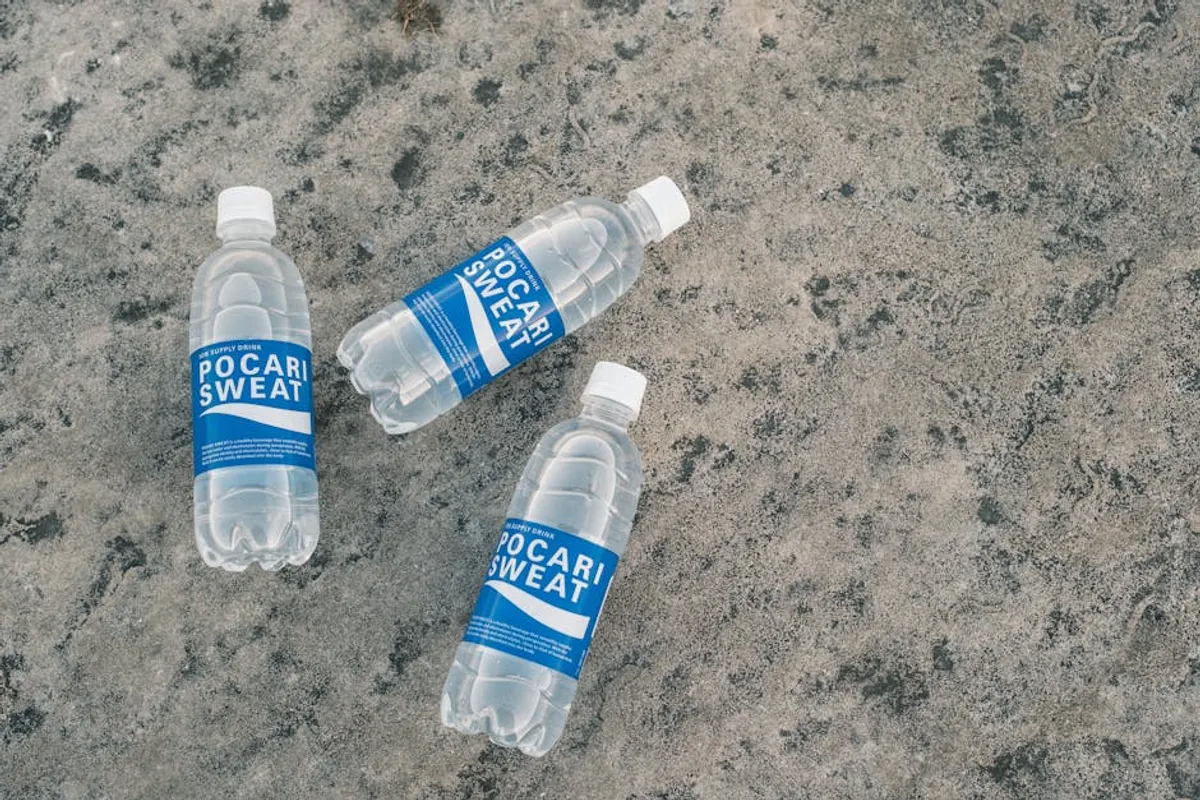
Active individuals consistently face decisions about optimizing performance and recovery, and a core component of this is maintaining proper hydration and electrolyte balance. While water intake is universally understood, the role of electrolytes—and critically, when they become a necessary focus—is often less clear. These essential minerals are not merely additives to sports drinks; they are fundamental to nerve function, muscle contraction, and fluid regulation throughout the body. Understanding their specific roles, how they are depleted during physical activity, and the precise conditions that necessitate their replenishment allows for informed choices that directly impact athletic output, mitigate cramping, and support efficient recovery.
What Electrolytes Do in the Body
Electrolytes are electrically charged minerals that play a pivotal role in numerous bodily functions. They are present in blood, urine, tissues, and other body fluids, and their balance is crucial for maintaining cellular function and overall physiological stability. For active people, their importance is amplified due to increased loss through sweat and higher metabolic demands.
Key Electrolytes and Their Roles
- Sodium: Essential for fluid balance, nerve impulse transmission, and muscle contraction. Significant amounts are lost in sweat.
- Potassium: Crucial for maintaining fluid balance inside cells, nerve signals, and proper muscle function, including heart rhythm.
- Magnesium: Involved in over 300 enzymatic reactions, including energy production, muscle and nerve function, blood glucose control, and protein synthesis.
- Calcium: Vital for bone health, muscle contraction (including the heart), nerve transmission, and blood clotting.
- Chloride: Works closely with sodium to maintain fluid balance and blood pressure.
- Phosphate: Important for bone and teeth formation, energy storage and use, and cell repair.
The coordinated action of these minerals ensures that the body can perform demanding physical tasks, regulate temperature, and recover effectively. An imbalance in any of these can lead to a cascade of physiological disruptions.
Recognizing Electrolyte Depletion During Activity
The human body is designed to maintain a tight balance of electrolytes, but prolonged or intense physical activity, especially when accompanied by significant sweating, can rapidly deplete these crucial minerals. Recognizing the signs of depletion is key to timely intervention and maintaining performance.
Common Symptoms of Imbalance
Symptoms of electrolyte imbalance can range from mild discomfort to severe health concerns. Early indicators often include:
- Muscle cramps or spasms: Often a sign of sodium, potassium, or magnesium imbalance.
- Fatigue or weakness: General lethargy beyond typical exertion.
- Headaches: Can be indicative of dehydration and electrolyte shifts.
- Dizziness or lightheadedness: Particularly when standing up quickly.
- Nausea or stomach upset: The digestive system can be sensitive to electrolyte disruptions.
- Irregular heart rate: In more severe cases, potassium or calcium imbalances can affect cardiac function.
Factors Increasing Risk of Depletion
Several factors amplify the risk of electrolyte loss and subsequent imbalance for active individuals:
- Exercise Intensity and Duration: Longer, more strenuous workouts lead to greater sweat production and thus greater electrolyte loss. An hour-long, moderate-intensity run depletes fewer electrolytes than a three-hour endurance event.
- Environmental Conditions: Hot and humid environments significantly increase sweat rates. Training in these conditions without appropriate replenishment can quickly lead to substantial electrolyte deficits.
- Individual Sweat Rate: People vary widely in how much they sweat and the concentration of electrolytes in their sweat. "Salty sweaters" (individuals who notice white streaks on their clothes after exercise) are at higher risk of sodium depletion.
- Acclimatization Status: Individuals not acclimatized to hot conditions will sweat more and lose more electrolytes than those who are.
Monitoring these factors and being aware of personal physiological responses provides a practical framework for assessing electrolyte needs.
When Active Individuals Benefit from Electrolyte Support
Not every workout necessitates electrolyte supplementation beyond what a balanced diet and water can provide. The specific demand for electrolyte support arises under conditions that push the body's homeostatic mechanisms beyond their normal compensatory capacity.
Endurance Sports and Prolonged Exertion
Activities lasting longer than 60-90 minutes, such as marathons, triathlons, long-distance cycling, or extended hikes, are primary scenarios for electrolyte intervention. During these events, continuous sweating leads to significant losses of sodium, potassium, and chloride. Replenishing these minerals helps sustain muscle function, prevent cramping, and maintain fluid balance, directly supporting performance continuity.
High-Intensity Interval Training (HIIT) and Short Bursts
While shorter in duration, high-intensity efforts can still induce substantial sweat rates. For individuals who engage in multiple HIIT sessions per week, or those who perform intense, short-duration activities in rapid succession, cumulative electrolyte losses can become relevant. Post-workout replenishment can aid in faster recovery and preparation for subsequent training sessions, particularly if dietary intake is insufficient.
Training in Hot or Humid Conditions
Environmental factors are critical. Exercising in temperatures above 75°F (24°C) or in high humidity significantly increases sweat production, irrespective of exercise duration or intensity. In these conditions, even moderate workouts can lead to substantial electrolyte depletion, making targeted replenishment a proactive strategy to prevent heat-related illness and performance decline.
Recovery Post-Workout
Electrolyte repletion is not only about immediate performance but also about efficient recovery. Restoring electrolyte balance post-exercise contributes to rehydration, muscle repair, and overall physiological equilibrium, preparing the body for the next training load. This is especially pertinent after particularly grueling sessions or competitive events where the body has been pushed to its limits.
Warning: Excessive electrolyte intake without corresponding fluid loss can disrupt the body's delicate balance, potentially leading to hypernatremia or other complications. Always consult a healthcare professional, especially if you have pre-existing kidney or heart conditions, before significantly altering electrolyte intake.
Sources of Electrolytes: Beyond Sports Drinks
While commercial sports drinks are a common source, a comprehensive approach to electrolyte replenishment involves both dietary strategies and, when necessary, targeted supplementation. Understanding the pros and cons of each helps active individuals make appropriate choices.
Dietary Approaches for Replenishment
A well-balanced diet rich in whole foods often provides a foundational level of electrolytes.
Best for: Daily maintenance, moderate activity, and as a primary source for most individuals.
- Sodium: Found in table salt, processed foods (in moderation), and some natural sources like celery and beets.
- Potassium: Abundant in fruits (bananas, oranges, avocados), vegetables (spinach, potatoes, sweet potatoes), and legumes.
- Magnesium: Present in leafy greens, nuts, seeds, whole grains, and dark chocolate.
- Calcium: Dairy products, fortified plant milks, leafy greens (kale, collard greens), and fortified cereals.
Strategic food choices post-workout, such as a banana with nut butter or a smoothie with spinach and yogurt, can effectively contribute to electrolyte repletion.
Understanding Electrolyte Supplements
Electrolyte supplements come in various forms—powders, tablets, and ready-to-drink beverages—and offer a concentrated dose of specific minerals.
Best for: High-intensity or prolonged exercise, hot/humid conditions, and individuals with high sweat rates or specific dietary restrictions.
When selecting a supplement, consider the following:
- Mineral Profile: Check the ratios of sodium, potassium, and magnesium. Some products focus heavily on sodium, while others offer a broader spectrum.
- Sugar Content: Many sports drinks contain significant amounts of sugar (glucose, fructose) which can aid in carbohydrate delivery and electrolyte absorption, but may be unnecessary for shorter, less intense workouts. Sugar-free options exist for those primarily focused on mineral replenishment.
- Additional Ingredients: Some supplements include B vitamins, amino acids, or other performance enhancers. Evaluate if these are necessary for your specific needs.
- Form Factor: Powders offer flexibility in concentration, while tablets are convenient for travel.
The decision to use supplements should be based on a clear understanding of individual activity levels, sweat losses, and dietary intake, rather than a default assumption.
Making Informed Choices for Hydration and Electrolyte Balance
Achieving optimal hydration and electrolyte balance is an individualized process, not a one-size-fits-all solution. Active individuals benefit most from a systematic approach that integrates self-awareness, dietary planning, and strategic supplementation when indicated.
Begin by assessing your typical training regimen: duration, intensity, and environmental conditions. For workouts under 60 minutes in moderate conditions, water and a balanced diet are generally sufficient. As duration or intensity increases, or when training in heat, the need for electrolyte replenishment escalates. Pay attention to your body's signals—cramping, excessive fatigue, or dizziness are clear indicators that your electrolyte strategy may need adjustment. Experiment with different approaches, starting with whole-food sources and integrating supplements as needed, while monitoring their effect on your performance and recovery. Consulting with a sports dietitian or healthcare professional can provide personalized guidance, especially for competitive athletes or those with specific health considerations. The goal is to support sustained performance and robust recovery without over-supplementation, ensuring the body's intricate systems function harmoniously.
Frequently Asked Questions
Are sports drinks always necessary for active people?
No, sports drinks are generally only necessary for activities lasting longer than 60-90 minutes, or during intense exercise in hot, humid conditions where significant sweat and electrolyte loss occurs. For shorter or less intense workouts, water is sufficient, and electrolytes can be replenished through a balanced diet.
Can I get enough electrolytes from food alone?
Yes, for most active individuals engaging in moderate daily activity, a well-balanced diet rich in fruits, vegetables, nuts, seeds, and whole grains can provide adequate electrolytes. Specific foods like bananas (potassium), spinach (magnesium), and salted nuts (sodium) are excellent sources.
What are the signs I might need more electrolytes?
Common signs include muscle cramps, persistent fatigue or weakness, headaches, dizziness, or nausea during or after exercise. White streaks on clothing after sweating can also indicate high sodium loss.
Is it possible to consume too many electrolytes?
Yes, excessive intake of electrolytes, particularly sodium, without corresponding fluid loss can lead to hypernatremia, which can be dangerous. Over-consuming other electrolytes like potassium or magnesium can also cause adverse effects. It's crucial to balance intake with actual losses and avoid excessive supplementation without professional guidance.