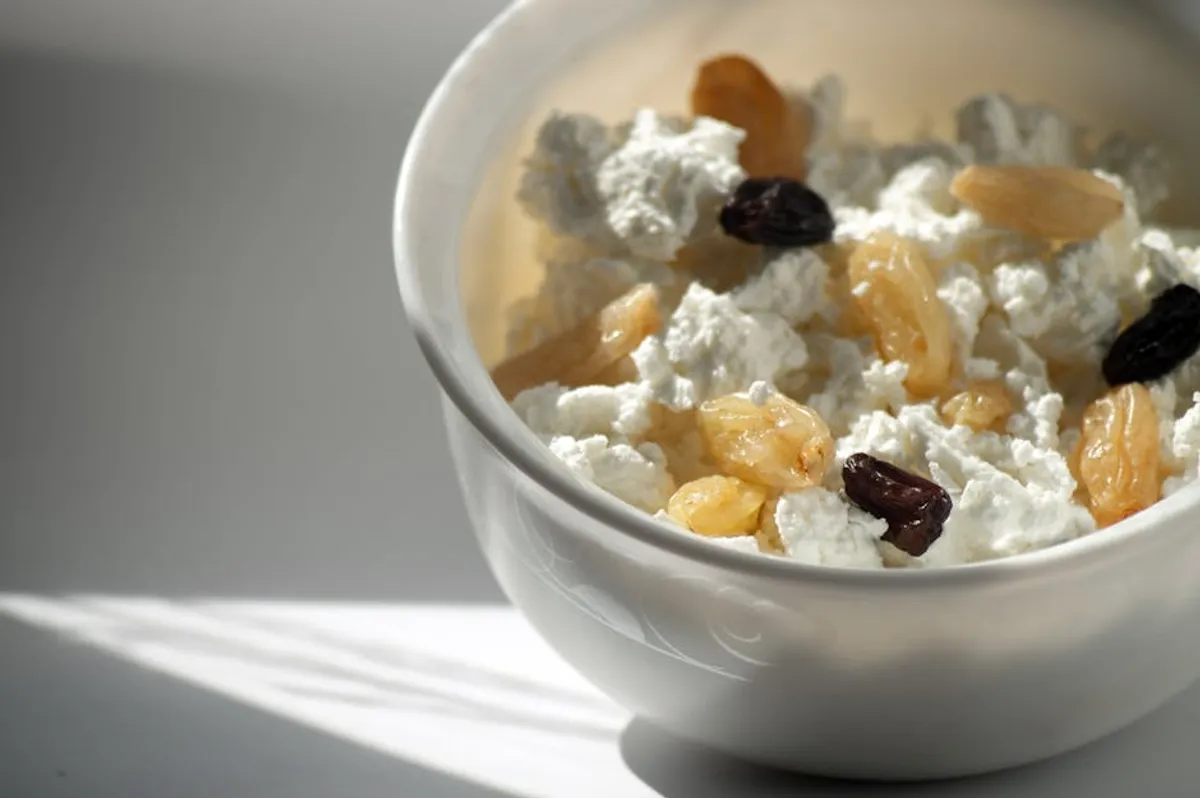
Cottage cheese bread has emerged as a distinct alternative to traditional loaves, primarily appealing to individuals monitoring macronutrient intake. Its unique composition, leveraging cottage cheese as a primary ingredient, directly influences its calorie density and protein contribution. Understanding these specific nutritional elements is crucial for anyone integrating this bread into a targeted dietary plan, whether for weight management, muscle development, or general health optimization. The decision to incorporate cottage cheese bread often hinges on its ability to deliver a higher protein yield and potentially lower carbohydrate content compared to conventional wheat-based breads, making a detailed examination of its caloric and protein profile essential for informed consumption. Understanding whether calories and protein matter more for your goals can help you make informed choices about this bread.
Understanding Cottage Cheese Bread's Core Nutritional Value
The nutritional profile of cottage cheese bread is fundamentally shaped by its namesake ingredient. Cottage cheese, a fresh cheese product, contributes significantly to both the texture and the macronutrient balance of the final product. Unlike traditional bread, which relies heavily on refined flours for structure and energy, cottage cheese bread often incorporates alternative flours or reduced quantities of conventional flours, alongside the dairy component, to achieve its characteristic consistency and nutritional advantages. This shift in primary ingredients directly impacts the caloric density and, more notably, elevates the protein content per serving.
Calorie Considerations in Cottage Cheese Bread
The total calorie count in cottage cheese bread is not static; it varies significantly based on formulation. A standard slice of homemade cottage cheese bread can range from approximately 80 to 150 calories. This range is influenced by several factors, including the type of flour used, the fat content of the cottage cheese, and the inclusion of additional ingredients like oils, seeds, or sweeteners.
- Flour Type: Using whole wheat flour or alternative flours like almond or oat flour can alter the caloric density compared to recipes using all-purpose white flour. Almond flour, for example, is higher in fat and thus calories per gram, but lower in net carbohydrates.
- Cottage Cheese Fat Content: Full-fat cottage cheese (typically 4% milkfat) will contribute more calories than low-fat (1% or 2%) or non-fat varieties due to its higher lipid content.
- Additives: Ingredients such as olive oil, butter, cheese, or seeds (chia, flax, sunflower) can significantly increase the caloric value per slice. Conversely, recipes focusing on minimal added fats will yield a lower calorie product.
Protein Powerhouse: Maximizing Benefits
The primary draw of cottage cheese bread for many is its elevated protein content. Cottage cheese itself is a rich source of casein protein, a slow-digesting protein known for its sustained amino acid release. When incorporated into bread, this translates to a finished product that can offer between 5 to 10 grams of protein per slice, a substantial increase over the 2-4 grams typically found in a slice of standard white or whole wheat bread. It's helpful to know how much protein cottage cheese has to fully appreciate this bread's nutritional advantage.
Benefit: The higher protein content contributes to increased satiety, which can be advantageous for weight management by reducing overall caloric intake through prolonged fullness. It also supports muscle repair and growth, making it a valuable option for athletes or individuals focused on maintaining lean body mass.
Pro Tip: To maximize the protein-to-calorie ratio in your cottage cheese bread, opt for non-fat or low-fat cottage cheese and consider incorporating protein-rich flours like vital wheat gluten or a small amount of unflavored protein powder into your recipe. This can boost protein content without significantly increasing overall caloric density from fats or carbohydrates.
Beyond Calories and Protein: Other Nutritional Aspects
While calories and protein are often the focus, cottage cheese bread also offers other nutritional components worth noting:
- Carbohydrates: The carbohydrate content varies widely depending on the flour used. Recipes utilizing almond or coconut flour will be significantly lower in carbohydrates, appealing to ketogenic or low-carb diets. Traditional flour-based recipes will have a higher carbohydrate count, but still potentially less than a dense whole wheat loaf due to the cottage cheese volume.
- Fats: The fat content is directly tied to the cottage cheese's fat percentage and any added oils or butter. Cottage cheese provides both saturated and unsaturated fats, contributing to energy and nutrient absorption.
- Micronutrients: Cottage cheese contributes calcium and phosphorus, essential for bone health. Depending on the flour and any added seeds, the bread can also provide dietary fiber, B vitamins, magnesium, and other trace minerals.
Practical Applications for Dietary Goals
Integrating cottage cheese bread into your diet requires consideration of your specific nutritional objectives. For those aiming for weight loss, the high protein and fiber (if whole grain flours or seeds are used) can aid in satiety and reduce snacking. For muscle building or maintenance, the sustained release of casein protein from cottage cheese makes it an excellent post-workout or meal component.
Best for: Individuals seeking a higher-protein, potentially lower-carb alternative to traditional bread, particularly those with fitness goals or managing blood sugar levels. It provides a versatile base for nutrient-dense sandwiches or as an accompaniment to meals without excessive caloric expenditure.
Optimizing Your Cottage Cheese Bread Experience
To fully leverage the nutritional advantages of cottage cheese bread, consider these practical adjustments:
- Ingredient Selection: Choose cottage cheese with the fat content that aligns with your dietary fat goals. Experiment with various flours to balance carbohydrate intake and fiber content.
- Portion Control: While nutritious, cottage cheese bread is not calorie-free. Adhering to appropriate serving sizes is crucial, especially if managing caloric intake.
- Pairing: Complement cottage cheese bread with other nutrient-dense foods. For example, pair it with lean protein sources like turkey or eggs, and add plenty of vegetables for fiber and micronutrients.
- Homemade Advantage: Baking at home offers complete control over ingredients, allowing for precise customization of calorie, protein, and carbohydrate levels to fit individual dietary needs.
Frequently Asked Questions
Is cottage cheese bread suitable for a gluten-free diet?
Not inherently. Many recipes use wheat flour. To be gluten-free, the recipe must explicitly use gluten-free flours like almond, coconut, or certified gluten-free oat flour, and all other ingredients must also be certified gluten-free.
How does cottage cheese bread compare to whole wheat bread nutritionally?
Cottage cheese bread typically offers significantly more protein per slice than whole wheat bread, often double the amount. Carbohydrate content can be lower depending on the flours used, while fiber content may vary. Calorie counts can be similar or slightly higher depending on added fats and specific ingredients.
Can I eat cottage cheese bread daily?
Yes, if it aligns with your overall dietary goals and calorie budget. Its high protein content can be beneficial for satiety and muscle maintenance. However, ensure variety in your diet to obtain a full spectrum of nutrients from other food sources.
Does cottage cheese bread taste like cottage cheese?
When baked, the distinct flavor of cottage cheese mellows significantly. It primarily contributes moisture and a subtle tang, often resulting in a soft, slightly dense texture that can be savory or neutral, making it versatile for various toppings and fillings.